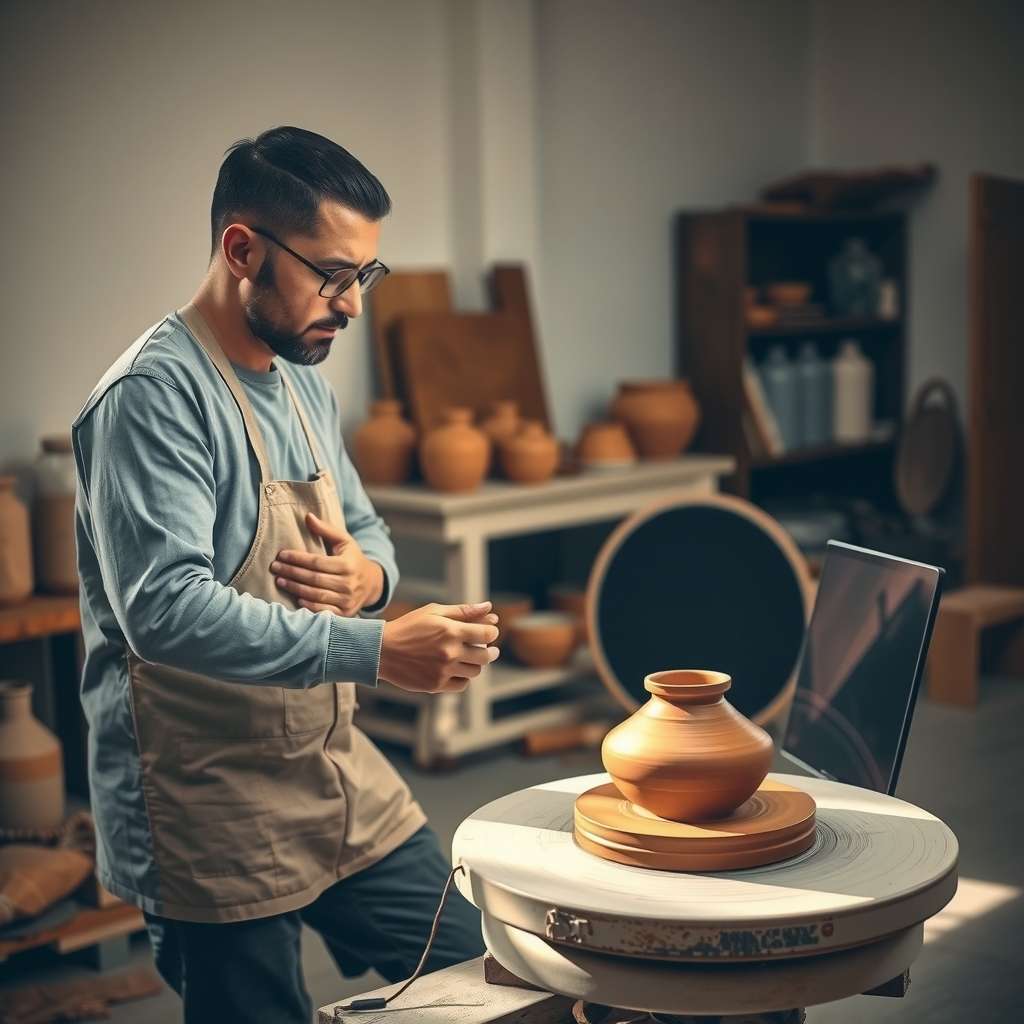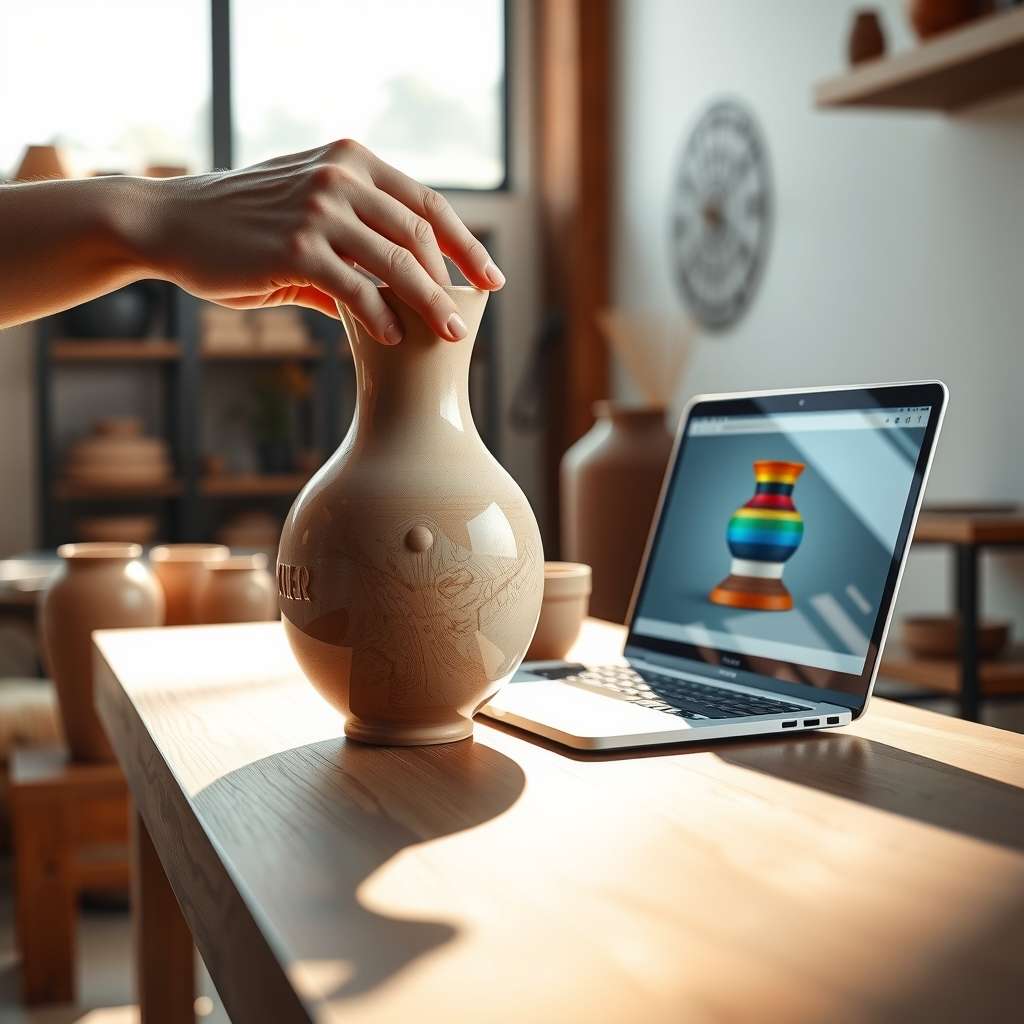
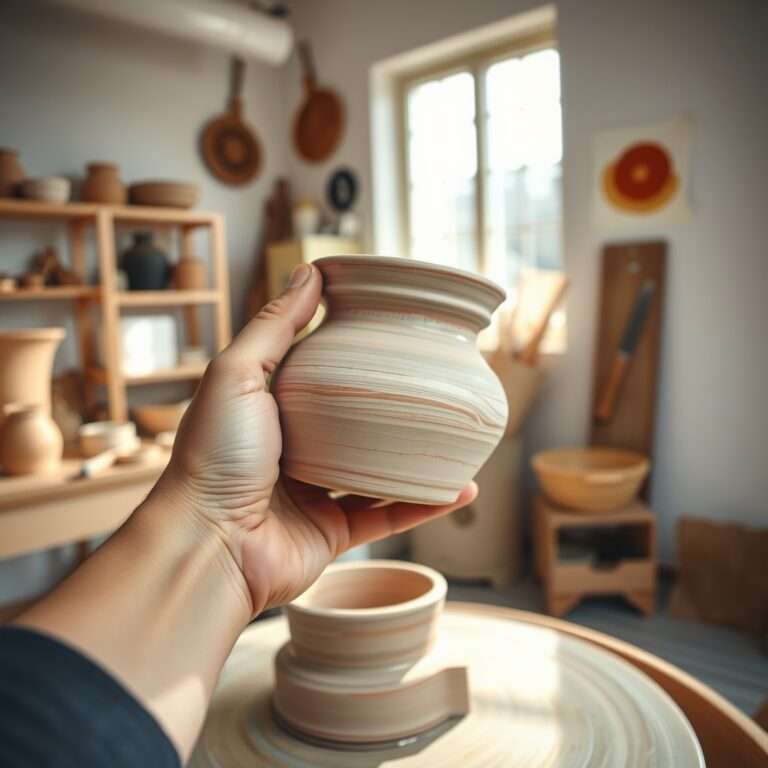
Are you fascinated by the tactile beauty of pottery and dreaming of turning that fascination into a thriving craft business? Bespoke ceramic designs are more than just decorative objects; they are personalized works of art that reflect the creator’s vision and the client’s story. In 2026, the demand for custom, hand‑crafted ceramics is soaring, and the right roadmap can turn your passion into profit. This guide walks you through every essential step—from concept to market—so you can confidently launch your own line of bespoke ceramic designs and stand out in a crowded marketplace.
Understanding Bespoke Ceramic Designs
Before you dive into tools and techniques, it’s crucial to define what makes a design “bespoke.” In the ceramic world, bespoke means fully customized, hand‑crafted pieces created to meet a client’s exact specifications. Unlike mass‑produced items, these designs often involve:
- Unique shapes or forms tailored to a specific function or aesthetic.
- Personalized glazes, colors, and surface treatments.
- Collaborative design sessions with the client.
- Limited‑edition runs that enhance exclusivity.
Understanding these elements helps you position your work as premium, experience‑driven art rather than generic pottery.
Why Choose Bespoke Ceramic Designs?
Clients increasingly seek authenticity and personal connection in the objects they bring into their homes. Here are the top benefits of focusing on bespoke ceramic designs:
- Higher profit margins: Custom pieces command premium prices.
- Brand differentiation: Your studio becomes known for originality.
- Creative freedom: You can experiment with form, texture, and technology.
- Customer loyalty: Personalized experiences turn buyers into repeat clients.
Step‑by‑Step Roadmap to Launching Your Bespoke Ceramic Business
1. Market Research and Niche Identification
Begin by analyzing the current ceramic market. Use tools like Google Trends, Etsy’s bestseller lists, and industry reports to answer:
- Which styles (e.g., minimalist, rustic, avant‑garde) are trending?
- What price points dominate the custom segment?
- Who are your direct competitors, and how do they market themselves?
Identify a niche that aligns with your strengths—whether it’s architectural tiles, weddingware, or limited‑edition art pieces. A clear niche simplifies branding and SEO later on.
2. Skill Assessment and Continuous Learning
Even seasoned potters benefit from targeted training. Consider enrolling in workshops that focus on:
- Advanced wheel‑throwing techniques.
- Hand‑building and slip‑casting for complex forms.
- Digital design tools (e.g., Rhino, Blender) for 3D modeling.
- Specialty glaze chemistry.
Document your learning journey; it builds the “Experience” component of E‑E‑A‑T, which search engines love.
3. Defining Your Brand Voice and Story
Every successful studio tells a story. Craft a concise brand narrative that answers:
- Why do you create bespoke ceramic designs?
- What cultural or personal influences shape your work?
- How does your process ensure quality and uniqueness?
Incorporate this narrative across your website, social media bios, and packaging to reinforce authority.
4. Setting Up a Functional Workspace
A well‑organized studio boosts productivity and safety. Below is a quick checklist for a starter space:
| Area | Essential Equipment | Recommended Size |
|---|---|---|
| Throwing Zone | Pottery wheel, splash guard, stool | 8 × 10 ft |
| Hand‑building Corner | Worktables, rolling pins, molds | 6 × 8 ft |
| Glazing Station | Glaze troughs, respirator, shelving | 5 × 6 ft |
| Firing Area | Electric or gas kiln, heat‑resistant mats | 8 × 12 ft |
| Storage & Shipping | Shelving, packing materials, inventory system | Varies |
5. Sourcing High‑Quality Materials
Material choice directly impacts the final look and durability of your bespoke ceramic designs. Consider the following sources:
- Clay bodies: Stoneware for durability, porcelain for translucency, earthenware for warm tones.
- Glazes: Commercially formulated vs. hand‑mixed recipes; test for compatibility with your clay.
- Additives: Grogs, oxides, and fluxes that modify texture and color.
Maintain a small batch inventory to ensure consistency across orders.
6. Designing the Custom Piece
The design phase is where creativity meets client collaboration. Follow this workflow:
- Initial Consultation: Gather client preferences, intended use, and budget.
- Concept Sketches: Hand‑draw or use digital tools to visualize forms.
- 3D Modeling (optional): For complex geometry, create a CAD model to preview dimensions.
- Prototype Development: Produce a test piece to confirm ergonomics and aesthetics.
- Final Approval: Share photos or videos; incorporate any client feedback.
Document each step with photos; they become valuable content for your website and reinforce trust.
7. Production Techniques for Bespoke Pieces
Choosing the right technique depends on the design’s complexity, volume, and desired texture. Below is a concise comparison:
| Technique | Ideal For | Pros | Cons |
|---|---|---|---|
| Wheel Throwing | Symmetrical vessels, mugs, bowls | Speed, smooth surfaces | Limited to round forms |
| Hand‑building | Organic shapes, sculptural pieces | Flexibility, texture control | Longer drying time |
| Slip Casting | Consistent replicas, intricate details | Scalable, high repeatability | Initial mold cost |
| 3D Printing (Ceramic) | Complex geometry, rapid prototyping | Precision, design freedom | Post‑processing required |
Many studios blend techniques—for example, hand‑building a base and slip‑casting decorative elements—to achieve truly unique outcomes.
8. Glazing, Firing, and Finishing
Glaze selection can make or break a bespoke piece. Keep these guidelines in mind:
- Test glaze compatibility on a small tile before applying to the final piece.
- Consider layering transparent and opaque glazes for depth.
- Use a controlled cooling schedule (annealing) to prevent crazing.
- Apply post‑fire finishes such as wax, silver leaf, or hand‑painted details for added exclusivity.
9. Quality Assurance and Documentation
Implement a simple QA checklist for every finished item:
- Visual inspection for cracks, glaze defects, or warping.
- Dimensional verification against client specifications.
- Functional testing (e.g., leak test for mugs).
- Photographic documentation for portfolio and client records.
Consistent quality builds the “Authority” and “Trustworthiness” signals that Google rewards.
10. Pricing Your Bespoke Ceramic Designs
Pricing is a blend of cost‑plus calculation and perceived value. Follow this formula:
Base Cost = (Materials + Labor + Overhead) × 1.2 (to cover waste).
Design Premium = 30‑50% of Base Cost, reflecting uniqueness.
Total Price = Base Cost + Design Premium.
Research competitor pricing, but never undervalue the time and expertise behind each handcrafted piece.
11. Building an Online Presence that Ranks
To attract clients searching for bespoke ceramic designs, optimize your digital footprint:
- Website Structure: Use clear H2 headings, descriptive URLs, and fast loading times.
- SEO Content: Write blog posts about the design process, material science, and case studies.
- Local SEO: Register on Google My Business, include location‑specific keywords (“handcrafted ceramics in Portland”).
- Social Proof: Showcase client testimonials, behind‑the‑scenes videos, and press features.
12. Marketing Strategies for Custom Ceramics
Effective marketing blends organic reach with targeted advertising:
- Instagram & Pinterest: Visual platforms are perfect for displaying the aesthetic of bespoke pieces.
- Email Newsletters: Share new collections, limited‑time offers, and studio updates.
- Collaborations: Partner with interior designers, wedding planners, or boutique hotels.
- Paid Ads: Use Google Shopping and Facebook Carousel ads to highlight high‑resolution images of your work.
13. Sustainability in Bespoke Ceramic Production
Eco‑friendly practices resonate with modern consumers. Consider these steps:
- Source locally mined clays to reduce transportation emissions.
- Recycle glaze waste and broken pieces into new batches.
- Utilize energy‑efficient kilns with programmable controllers.
- Offer a “repair program” for damaged items, extending product life.
14. Common Pitfalls and How to Avoid Them
Even experienced artists stumble. Here are the most frequent challenges and proactive solutions:
- Inconsistent Drying: Use a humidity‑controlled drying rack to prevent cracking.
- Glaze Defects: Conduct small‑scale test firings before full production runs.
- Scope Creep: Set clear project boundaries and revision limits in the client contract.
- Underpricing: Regularly review material costs and adjust rates annually.
Frequently Asked Questions (FAQ)
What is the typical turnaround time for a custom ceramic piece?
Turnaround varies by complexity. Simple mugs may take 2‑3 weeks, while large sculptural pieces can require 6‑8 weeks, including design approval, drying, and firing cycles.
Can I request a specific glaze that isn’t in your standard range?
Absolutely. Many studios mix custom glazes on request. Provide a color reference or sample, and we’ll develop a formulation that meets your vision and firing schedule.
Do you ship internationally?
Yes. We use cushioned packaging and partner with reputable carriers. International shipments may incur additional customs duties, which are the buyer’s responsibility.
How do you ensure the durability of bespoke pieces?
We select stoneware or high‑fire porcelain for functional items, fire them to at least 1280 °C, and perform a glaze compatibility test to prevent crazing or flaking.
Is there a minimum order quantity?
For truly bespoke work, there is no minimum. However, for slip‑cast or 3D‑printed series, a small batch (3‑5 pieces) helps offset mold or setup costs.
Conclusion: Turn Your Passion for Ceramics into a Profitable Bespoke Business
Creating bespoke ceramic designs is a rewarding blend of artistry, craftsmanship, and entrepreneurship. By following the structured steps outlined above—research, skill development, brand building, meticulous production, and strategic marketing—you’ll position your studio for success in 2026 and beyond. Remember, the key to thriving in the custom ceramics market lies in delivering exceptional quality, transparent communication, and a compelling story that resonates with discerning buyers.
Ready to start shaping your own unique ceramic legacy? Visit our contact page today to schedule a free design consultation, and let’s bring your vision to life.