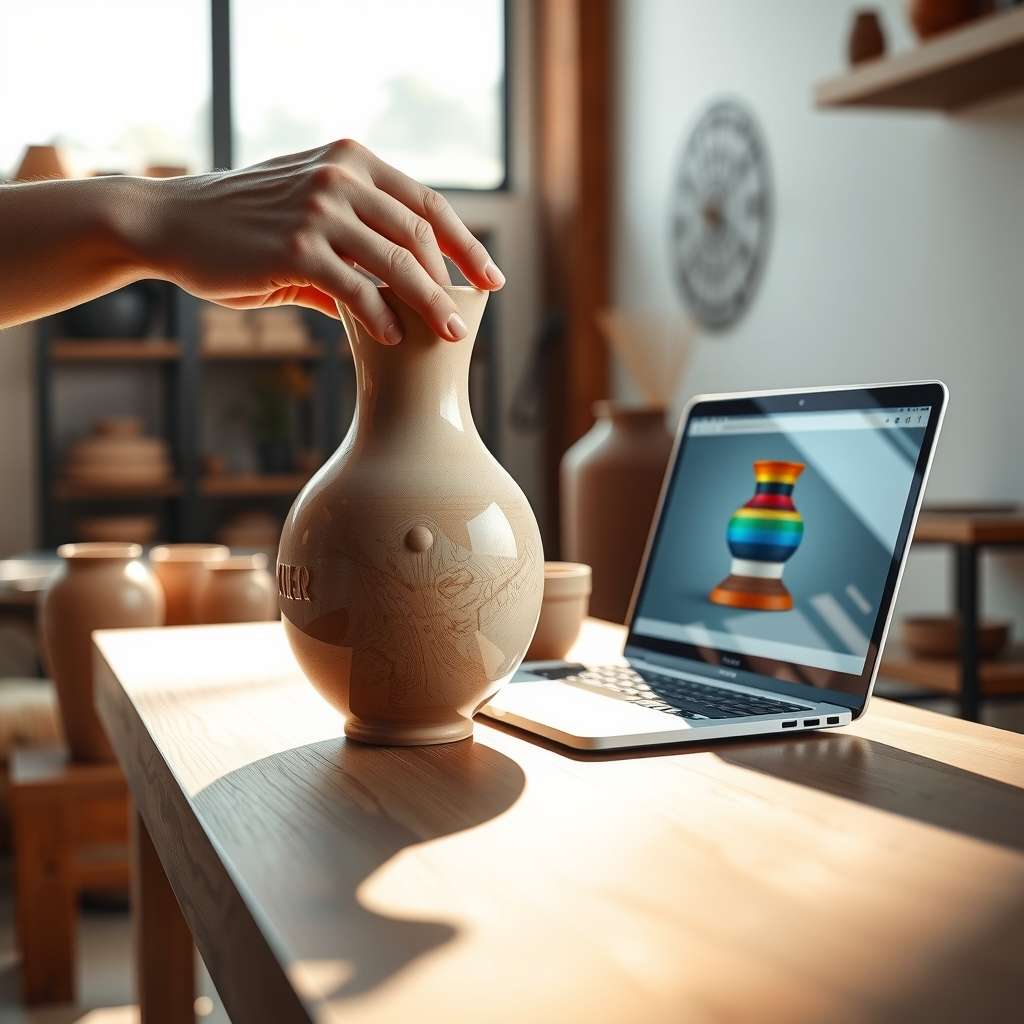
When a designer’s vision turns into a ceramic masterpiece, the journey from sketch to production can be thrilling—and risky. In a global marketplace where overseas manufacturers offer lower costs and faster turnaround, the temptation to outsource is strong. Yet, the very act of sending a delicate design overseas can expose it to theft, unauthorized copying, and legal disputes. If you want to protect custom ceramic designs, you need a strategy that blends legal safeguards, smart business practices, and meticulous quality control.
1. The Rise of Overseas Custom Ceramics
Over the last decade, the ceramics industry has seen a dramatic shift toward international production. Countries like China, Vietnam, and Mexico have become hubs for custom ceramic manufacturing, offering competitive pricing, advanced glazing techniques, and rapid prototyping. For many designers, this means access to a wider range of materials and production methods that were once out of reach. However, the convenience of overseas manufacturing comes with a hidden cost: the potential loss of intellectual property. Understanding why protecting custom ceramic designs is essential starts with recognizing the global supply chain’s unique challenges.
2. Understanding Your Intellectual Property in Ceramics
Intellectual property (IP) in ceramics is a mix of design patents, copyrights, and trademarks. While a design patent protects the ornamental appearance of a ceramic piece, a copyright covers the artistic expression of the design. Trademarks safeguard brand identifiers such as logos or distinctive patterns that consumers associate with a brand. Each form of IP offers a different layer of protection, and the best strategy for protecting custom ceramic designs involves leveraging all three where applicable.
3. Common Risks When Ordering Custom Ceramics Overseas
When you outsource production, you often relinquish direct control over the manufacturing process. This loss of control can lead to:
- Design Leakage: Sensitive sketches and CAD files may be accessed by third parties.
- Unlicensed Replication: Manufacturers might produce similar designs for other clients.
- Quality Variance: Inconsistent finishes can dilute brand value.
- Legal Ambiguities: Differing IP laws across borders can create loopholes.
These risks underscore the importance of a proactive approach to protecting custom ceramic designs.
4. Strategies to Protect Custom Ceramic Designs
4.1 Use Design Patents and Copyrights
Design patents are the first line of defense for ornamental ceramic pieces. By filing a design patent in key markets—such as the United States, European Union, and China—you establish legal ownership and deter infringers. Copyright automatically applies upon creation, but registering it provides stronger enforcement tools. When you want to protect custom ceramic designs, consider dual protection: a design patent for the shape and a copyright for the artistic details.
4.2 Register Trademarks for Design Elements
Trademarks protect brand identifiers that consumers recognize. If your custom ceramic designs feature a unique motif or pattern that becomes a brand hallmark, register it as a trademark. This not only safeguards the design but also strengthens your brand equity in international markets.
4.3 Non‑Disclosure Agreements (NDAs) with Manufacturers
Before sharing any files or specifications, draft a robust NDA that covers:
- Confidentiality of all design documents.
- Restrictions on copying or sharing designs with third parties.
- Penalties for breach, including monetary damages and injunctions.
- Clear jurisdiction and governing law clauses.
When you sign an NDA, you create a legal contract that obliges the manufacturer to protect custom ceramic designs.
4.4 Quality Control and Design Verification
Implement a rigorous quality assurance process that includes:
- Pre‑production prototypes reviewed by design experts.
- In‑line inspections during firing and glazing.
- Post‑production audits that compare finished pieces to original specifications.
These checks help ensure that your custom ceramic designs are reproduced accurately and that no unauthorized variations slip through.
4.5 Licensing Agreements and Royalty Management
When you collaborate with multiple manufacturers or distributors, a licensing agreement clarifies ownership, usage rights, and royalty structures. Key clauses to include are:
- Exclusive vs. non‑exclusive rights.
- Geographic and temporal limits.
- Royalty rates based on unit sales or revenue.
- Audit rights to verify compliance.
By formalizing these terms, you can control how and where your custom ceramic designs are used.
4.6 Working with Reputable Manufacturers and Audits
Choose manufacturers with proven IP track records. Look for:
- Certified IP compliance policies.
- Positive references from other designers.
- Third‑party audit certifications (e.g., ISO 9001).
Regular audits and on‑site visits reinforce your commitment to protecting custom ceramic designs.
5. Practical Checklist for Protecting Custom Ceramic Designs
- File design patents in all key markets.
Related Posts
Custom Pottery Online: The Ultimate Guide to Your Vision