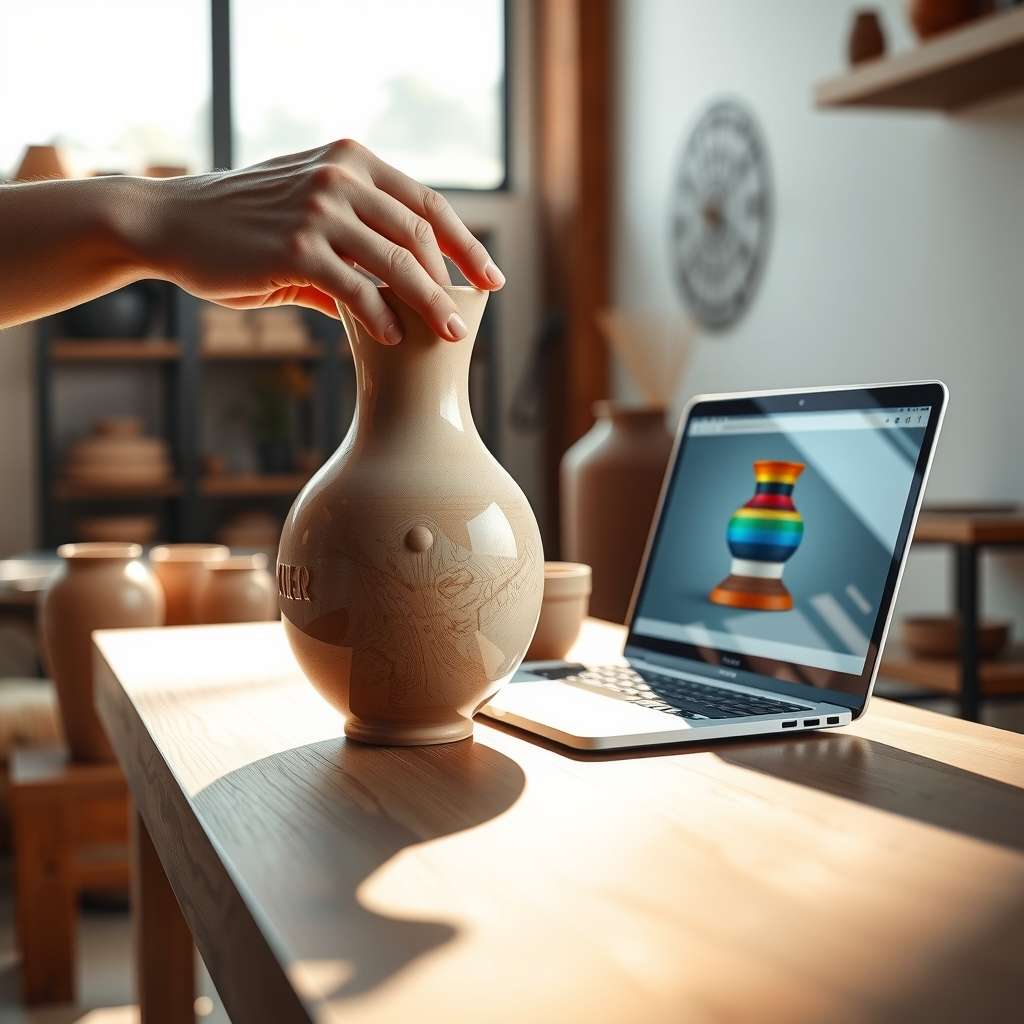
When a home decor brand wants to stand out, it needs more than just a great aesthetic; it requires a distinctive product that tells a story. In the crowded market of interior goods, custom ceramic production offers a powerful way to differentiate your line, create limited editions, and build brand loyalty. Imagine a vase that reflects your brand’s personality, a set of tiles that echo your design ethos, or a collection of mugs that become conversation starters. This article dives deep into six actionable strategies that harness the full potential of custom ceramic production, helping you scale your business while maintaining the quality and uniqueness your customers crave.
Understanding Custom Ceramic Production
Before scaling, it’s essential to grasp the fundamentals of custom ceramic production. The process begins with selecting the right clay body, followed by shaping, drying, bisque firing, glazing, and a final glaze firing. Each step offers creative control and technical challenges that can impact cost, lead time, and product durability. By mastering these stages, you can ensure that your ceramics not only look stunning but also withstand everyday use. Moreover, understanding the nuances of ceramic manufacturing enables you to make informed decisions when choosing suppliers, technology, and production partners.
The Basics of Ceramic Manufacturing
Ceramic manufacturing starts with raw materials: clay, silica, feldspar, and additives that influence color, strength, and finish. Once the mix is prepared, it’s shaped either by hand, slip casting, or using CNC molds. The dried pieces undergo bisque firing, a low-temperature process that removes moisture and prepares the surface for glazing. After glazing, the final firing vitrifies the glaze, creating a glassy, durable surface. Each of these stages requires precision and timing; a misstep can lead to cracks, warping, or uneven glaze. Understanding this pipeline is critical for brands that rely on custom ceramic production to deliver high-quality, eye-catching products.
Why Custom Ceramic Production Matters for Home Decor
In home decor, the tactile experience matters as much as the visual appeal. Custom ceramic pieces offer texture, weight, and a sense of craftsmanship that mass-produced items often lack. By leveraging custom ceramic production, brands can create signature designs that resonate with niche audiences, foster brand storytelling, and command premium pricing. Additionally, ceramics are versatile—used as vases, planters, tiles, or decorative accents—allowing brands to diversify their product lines while maintaining a cohesive aesthetic.
Tip 1: Build Strong Supplier Relationships
Securing reliable suppliers is the backbone of any successful custom ceramic production strategy. Quality raw materials directly affect the final product’s durability and appearance. Start by researching clay manufacturers, glaze suppliers, and kiln operators that share your commitment to sustainability and innovation. A transparent partnership ensures consistent material quality, timely deliveries, and the flexibility to experiment with new colors or finishes.
Source High-Quality Clay and Materials
Not all clays are created equal. Look for suppliers that offer clays with low shrinkage, high plasticity, and consistent particle size. Consider sourcing specialty clays—such as porcelain, stoneware, or earthenware—depending on your product’s intended use. High-quality glazes should be compatible with your clay body, offer a range of colors, and provide a durable, food-safe finish if you’re producing kitchenware.
Negotiate Production Terms
Related Posts
Custom Pottery Online: The Ultimate Guide to Your Vision