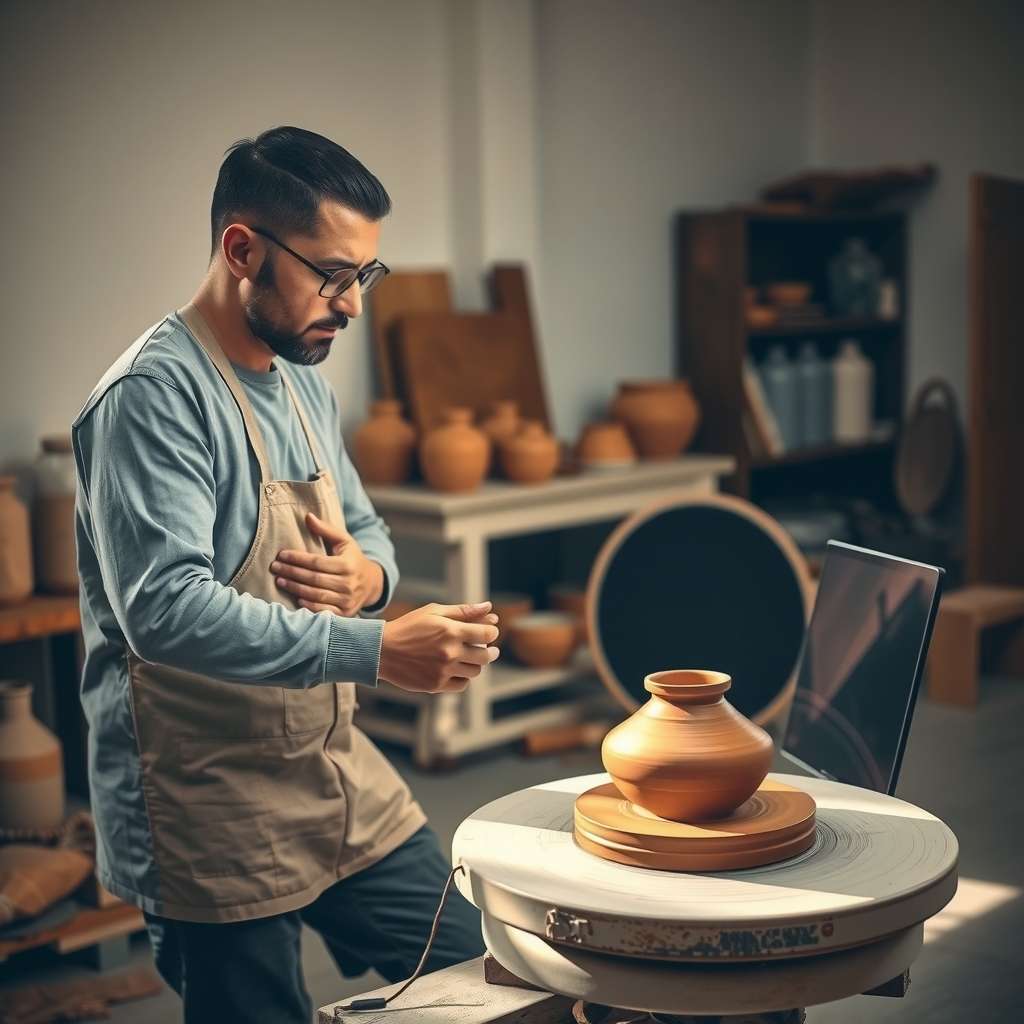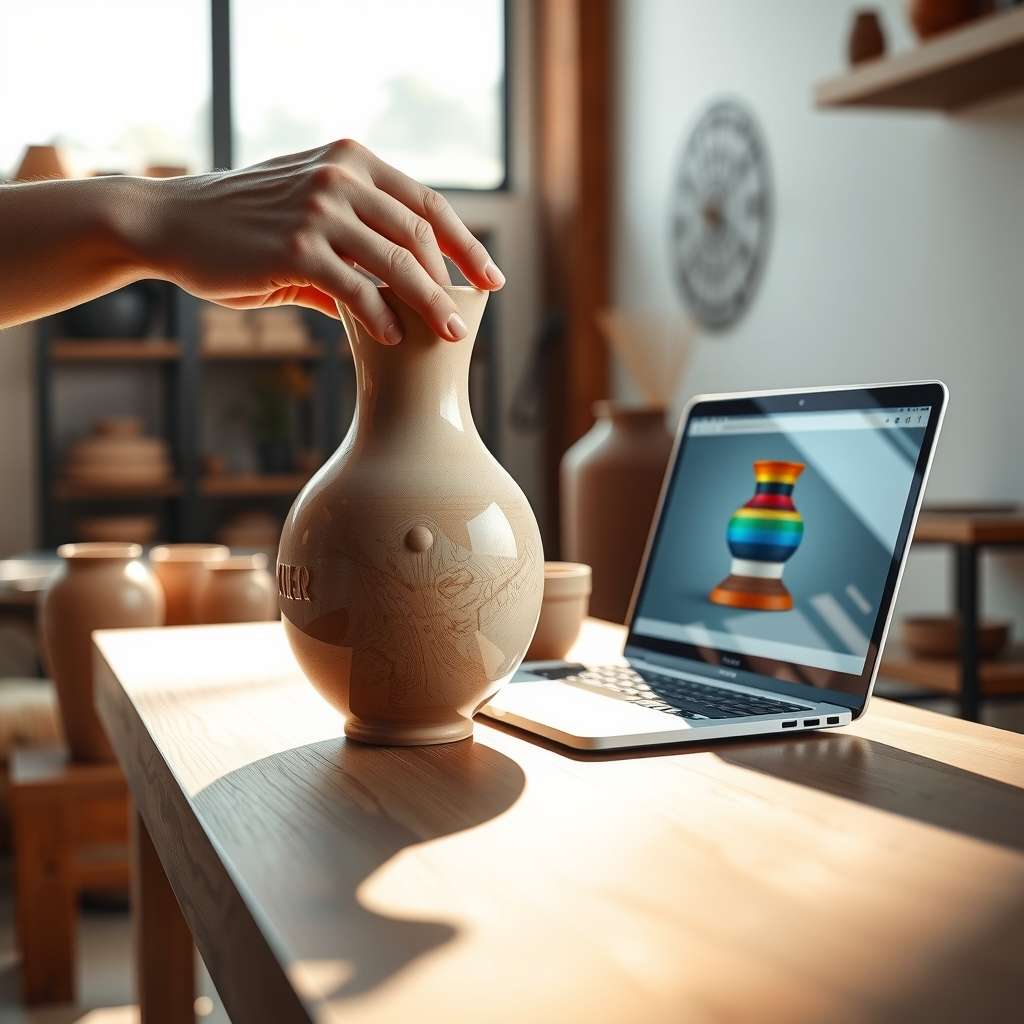
In a world where personalization and craftsmanship are becoming the gold standard in home décor, the demand for custom ceramic home decor has exploded. Consumers crave unique, artisanal pieces that tell a story and reflect their individual style. Yet, turning a niche passion into a scalable business can feel like navigating a maze of production constraints, marketing hurdles, and supply chain complexities. The good news? With the right roadmap, you can transform your small studio into a thriving brand that delivers high‑quality, bespoke ceramic pieces at scale. This guide walks you through seven actionable steps that will help you build a resilient, growth‑oriented custom ceramic home decor brand in 2026.
1. Define Your Brand Vision and Market Position
Before you invest in production lines or marketing budgets, crystalize what makes your custom ceramic home decor unique. Are you known for vibrant glazes, minimalist forms, or eco‑friendly materials? A clear brand promise anchors every decision—from design to distribution. Start by crafting a concise mission statement that answers: Who am I serving? and What problem do I solve? This narrative will guide your product development, pricing strategy, and storytelling across all channels.
Conduct a competitive audit to map where your brand sits relative to established players and emerging indie studios. Use tools like SWOT analysis to identify gaps you can fill—perhaps a niche in sustainable glazing or a new line of modular planters. Document your findings in a brand positioning canvas to keep your vision focused and actionable.
Finally, develop a brand style guide that outlines visual elements, tone of voice, and packaging aesthetics. Consistency in these details builds trust and recognition, turning first‑time buyers into lifelong advocates for your custom ceramic home decor.
2. Build a Scalable Production Pipeline
Scaling custom ceramic home decor requires a production model that balances artistry with efficiency. Begin by mapping your entire workflow—from clay selection and hand‑building to bisque firing, glazing, and kiln schedules. Identify bottlenecks that could stall growth, such as limited kiln capacity or inconsistent glaze chemistry.
Partner with a reputable ceramic manufacturer that specializes in custom production. Many facilities offer modular kilns and batch processing that can accommodate small‑batch runs while maintaining quality control. Negotiate flexible contracts that allow you to scale output seasonally without overcommitting resources.
Invest in technology that streamlines production: digital clay modeling software, automated glaze mixing systems, and real‑time inventory dashboards. These tools reduce waste, cut lead times, and provide data that informs future design iterations. Remember, the goal is to maintain the artisanal feel of your custom pieces while achieving the throughput needed for a growing brand.
3. Leverage Digital Platforms for Direct-to-Consumer Sales
In 2026, the most successful custom ceramic home decor brands thrive on a robust digital presence. A well‑optimized e‑commerce store is your frontline, offering seamless browsing, secure checkout, and personalized recommendations. Ensure your site is mobile‑first, fast, and SEO‑friendly, with high‑resolution images that showcase the texture and detail of each piece.
Social media platforms—especially Instagram, Pinterest, and TikTok—are powerful tools for visual storytelling. Create engaging content such as behind‑the‑scenes videos, glaze tutorials, and customer spotlight reels. Use carousel posts to highlight different product lines and incorporate user‑generated content to build social proof.
Consider integrating AR (augmented reality) features that let shoppers visualize your custom ceramic home decor in their own spaces. This immersive experience boosts confidence in purchase decisions and sets your brand apart from competitors.
4. Optimize the Supply Chain for Sustainability and Cost
Custom ceramic production relies on raw materials—clay, pigments, glazes—whose sourcing can significantly impact both cost and brand perception. Prioritize suppliers who practice responsible mining and offer recycled or low‑VOC glazes. Transparent sourcing aligns with the growing consumer expectation for ethical products.
Implement a just‑in‑time inventory system to reduce storage overhead. By aligning production schedules with real