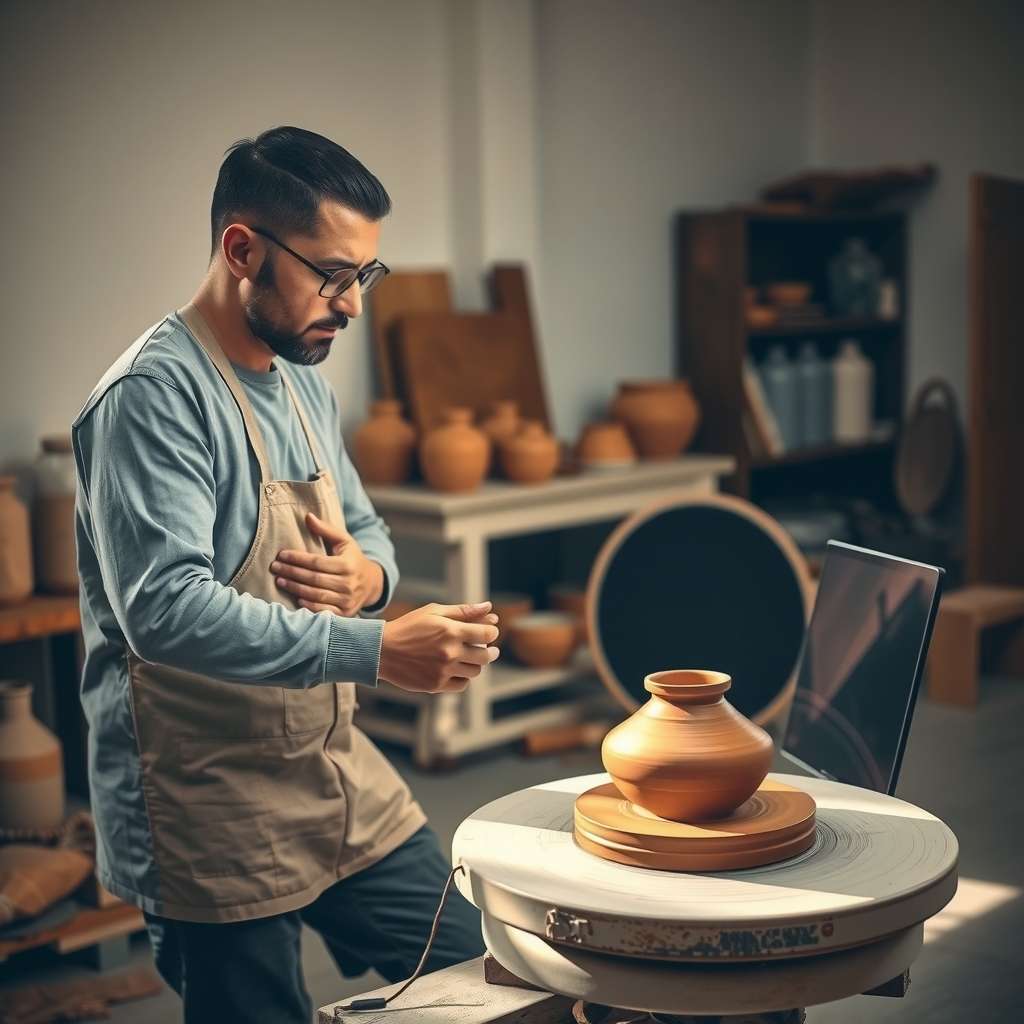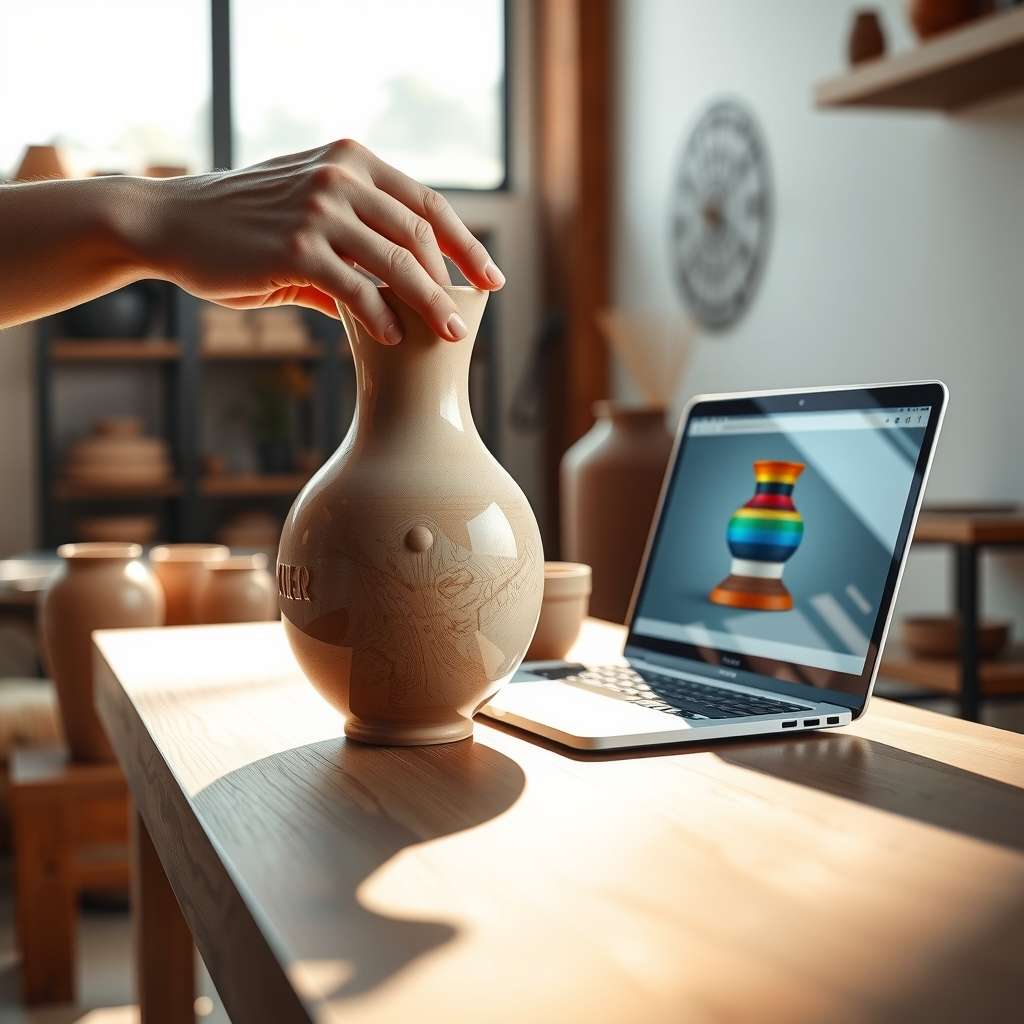
In a world where design, functionality, and sustainability converge, the demand for bespoke ceramic solutions has surged dramatically. Whether you’re a startup seeking a signature line of artisanal tableware or a multinational corporation looking to diversify its product portfolio, custom ceramics manufacturing Indonesia has emerged as a strategic choice for innovators worldwide. This guide unpacks the intricacies of the Indonesian ceramics landscape, from production processes and cost structures to regulatory frameworks and emerging market trends, equipping you with the knowledge to make informed decisions in 2026 and beyond.
1. The Rise of Custom Ceramics Manufacturing in Indonesia
Indonesia’s ceramics industry has evolved from traditional, small-scale production to a sophisticated, technology-driven sector capable of delivering high-quality, customized products. The country’s abundant natural resources—clay, feldspar, quartz, and kaolin—combined with a growing pool of skilled artisans and engineers, have positioned it as a hub for custom ceramic production worldwide. Recent investment in advanced kiln technologies, computer-aided design (CAD), and automation has accelerated production speed while maintaining impeccable quality, making Indonesia a preferred partner for companies seeking both creativity and efficiency.
2. Historical Context: From Ancient Pottery to Modern Manufacturing
Indonesia’s relationship with ceramics dates back thousands of years, with archaeological finds revealing sophisticated pottery techniques in the prehistoric era. Over centuries, regional styles such as Balinese terracotta, Batak glazed ceramics, and Javanese porcelain evolved, each reflecting cultural narratives and local craftsmanship. The post-independence era marked a shift toward industrialization, with the establishment of state-owned factories and private enterprises. In the 21st century, the integration of digital tools and global supply chains has transformed the industry, allowing Indonesian manufacturers to compete on a global stage.
3. Why Choose Indonesia for Custom Ceramics?
Several factors make Indonesia a compelling destination for custom ceramics manufacturing Indonesia:
- Cost Competitiveness: Labor and raw material costs remain lower than in many developed markets, without compromising on quality.
- Geographical Advantage: Proximity to major shipping lanes facilitates efficient logistics to Asian, European, and American markets.
- Skilled Workforce: A blend of traditional artisans and modern engineers ensures innovative designs and precision.
- Government Support: Incentives, tax breaks, and streamlined licensing processes encourage foreign investment in manufacturing.
- Sustainability Initiatives: Many Indonesian factories adopt eco-friendly practices, aligning with global ESG standards.
4. Market Landscape and Demand Drivers
Indonesia’s ceramics market