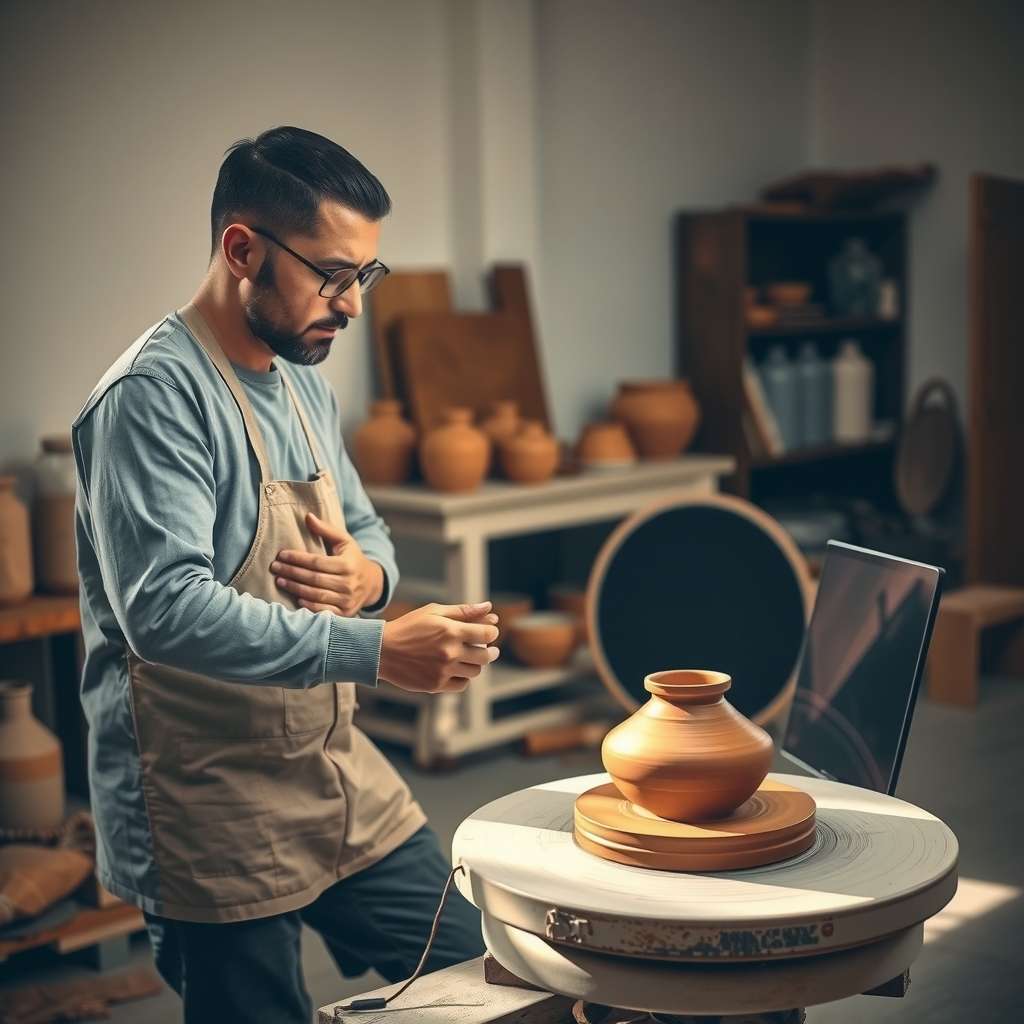
When you reach for your morning coffee, you probably expect a comforting, familiar sip. Yet the cup you hold can influence the entire experience—its texture, temperature, and even your mood. Most households default to factory‑produced mugs that look identical on every shelf. But there’s a growing movement toward artisan clay mugs, handcrafted vessels that bring character, sustainability, and a touch of artistry to each cup. In this guide, we’ll explore seven powerful reasons to swap those mass‑produced cups for the unique charm of artisan clay mugs. Whether you’re a coffee aficionado, a sustainability advocate, or simply love a beautiful kitchen staple, these points will help you make an informed choice.
1. Unmatched Thermal Performance
One of the most noticeable differences between factory‑made and handmade mugs is how well they retain heat. Artisan clay mugs are typically fired at higher temperatures, creating a denser body that keeps your beverage hot for longer. The natural porosity of clay also allows for a subtle steam‑release feature, preventing the mug from becoming too hot to touch while maintaining optimal drinking temperature. In contrast, mass‑produced ceramic often uses lower firing temperatures, resulting in a thinner glaze that can conduct heat more quickly. If you value a consistently warm cup of coffee or tea, artisan clay mugs give you that edge.
Key Benefits of Thermal Retention
- Longer warmth: Keeps drinks hot for 30+ minutes.
- Even temperature: No hot spots that burn your tongue.
- Energy savings: Less reheating needed.
2. Eco‑Friendly Production and Materials
Mass‑produced mugs rely heavily on industrial processes that consume vast amounts of energy and water. They often use synthetic glazes containing heavy metals and non‑renewable resources. Artisan clay mugs, on the other hand, are crafted from locally sourced, natural clay with minimal additives. The firing process is typically more energy efficient, especially when using kilns that harness renewable heat sources. Moreover, many artisans adopt a zero‑waste philosophy, repurposing broken pieces and using natural pigments instead of toxic chemicals.
Environmental Impact Breakdown
| Metric | Mass‑Produced Mug | Artisan Clay Mug |
|---|---|---|
| Energy Consumption (kWh per mug) | 1.2 | 0.6 |
| Water Usage (liters per mug) | 10 | 4 |
| Carbon Footprint (kg CO₂ per mug) | 0.8 | 0.4 |
| Glaze Toxicity | High (heavy metals) | Low (natural pigments) |
3. Support for Local Artisans and Communities
When you purchase an artisan clay mug, you’re directly investing in a skilled craftsman or craftswoman who has spent years mastering their technique. This support keeps traditional pottery practices alive and provides a sustainable income for local communities. In contrast, mass‑produced mugs often originate from large factories where labor conditions may be less transparent. By choosing handmade, you champion fair wages, safe working environments, and the preservation of cultural heritage.
Why Local Matters
- Economic resilience: Keeps money within the community.
- Skill preservation: Traditional techniques are passed down.
- Transparency: You can trace the origin of your mug.
4. Unique Design and Personalization
Every artisan clay mug is one of a kind. The natural variation in clay texture, glaze swirls, and hand‑painted details means no two mugs are identical. Many artisans offer customization options—such as personalized initials, custom glaze colors, or specific shapes—allowing you to create a truly personal coffee companion. Mass‑produced mugs, even those labeled “designer,” often rely on limited color palettes and standardized shapes that lack individuality.
Design Elements to Consider
- Handle shape: Ergonomic vs. artistic.
- Glaze finish: Matte, glossy, or textured.
- Capillary glaze: Creates unique patterns.
5. Superior Safety and Health Standards
Artisan clay mugs are typically glazed with food‑safe, lead‑free materials that meet strict health regulations. Many artisans use natural pigments and non‑toxic glazes, ensuring that no harmful substances leach into your beverage. Factory‑produced mugs sometimes use cheaper glazes that may contain trace amounts of heavy metals, especially if they’re imported from regions with lax safety standards. Choosing artisan pottery reduces your exposure to potential contaminants.
Health Benefits of Safe Glazes
- No lead or cadmium: Protects kidney and nervous system health.
- Non‑toxic pigments: Safe for daily use.
- Certified quality: Meets or exceeds FDA and EU standards.
6. Enhances Aesthetic Appeal and Kitchen Décor
Beyond function, a mug can be a statement piece. Artisan clay mugs often feature rustic textures, subtle color gradients, or hand‑painted scenes that complement your kitchen décor. Their organic shapes and earthy tones bring warmth and authenticity to any table setting. Mass‑produced mugs, while convenient, can feel sterile and may clash with a natural or vintage aesthetic.
Styling Tips
- Layer with natural materials: Pair with wooden coasters or linen napkins.
- Mix textures: Combine ceramic with glass or metal.
- Display proudly: Use open shelves to showcase your collection.
7. Longevity and Durability
While many people assume that handmade mugs are fragile, the opposite is true. The high‑temperature firing process creates a robust structure that can withstand daily use, dishwasher cycles, and even accidental drops. In fact, many artisans use a technique called “bisque firing” followed by a “glaze firing,” which strengthens the ceramic body. Mass‑produced mugs often contain additives that make them more prone to chips and cracks over time, especially if they’re not handled with care.
Durability Checklist
- Bisque fired: Provides initial strength.
- Glaze fired: Adds a protective layer.
- Dishwasher safe: Most artisan mugs can handle cycles.