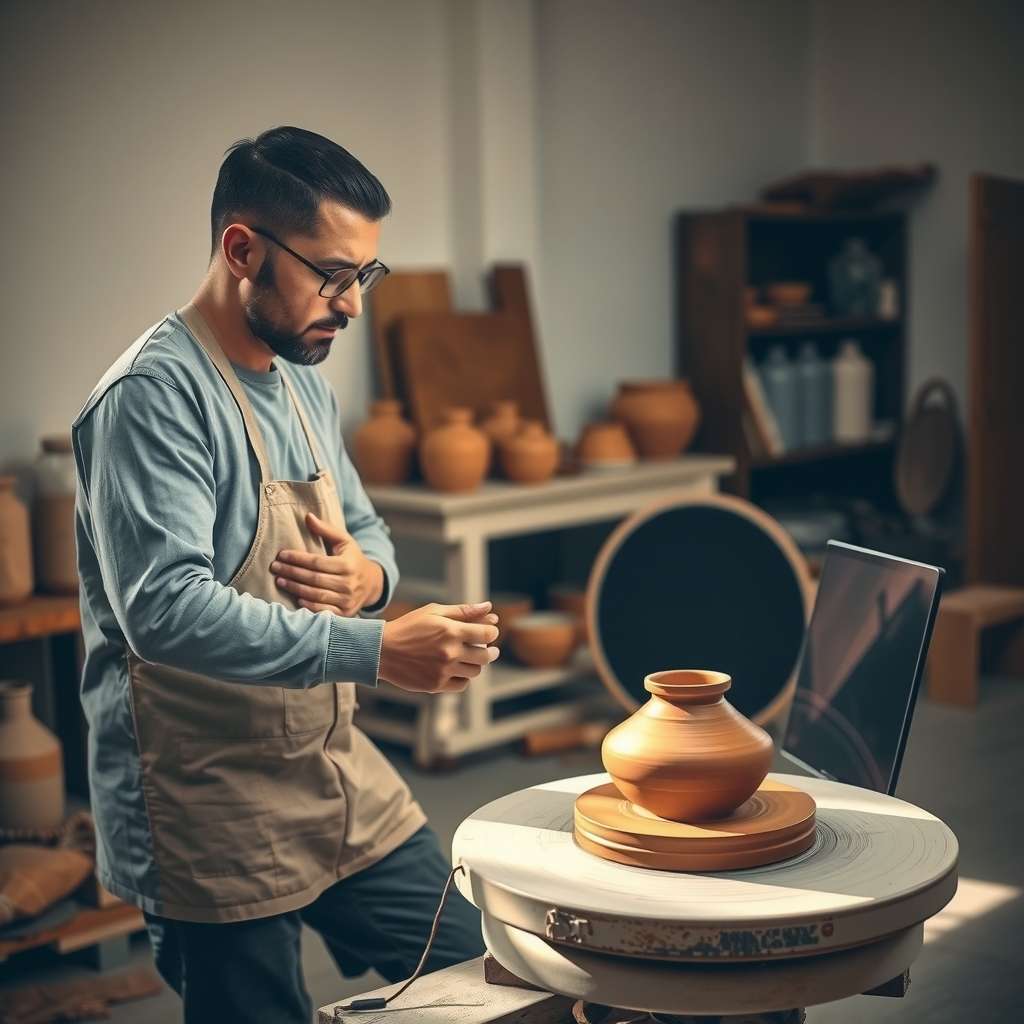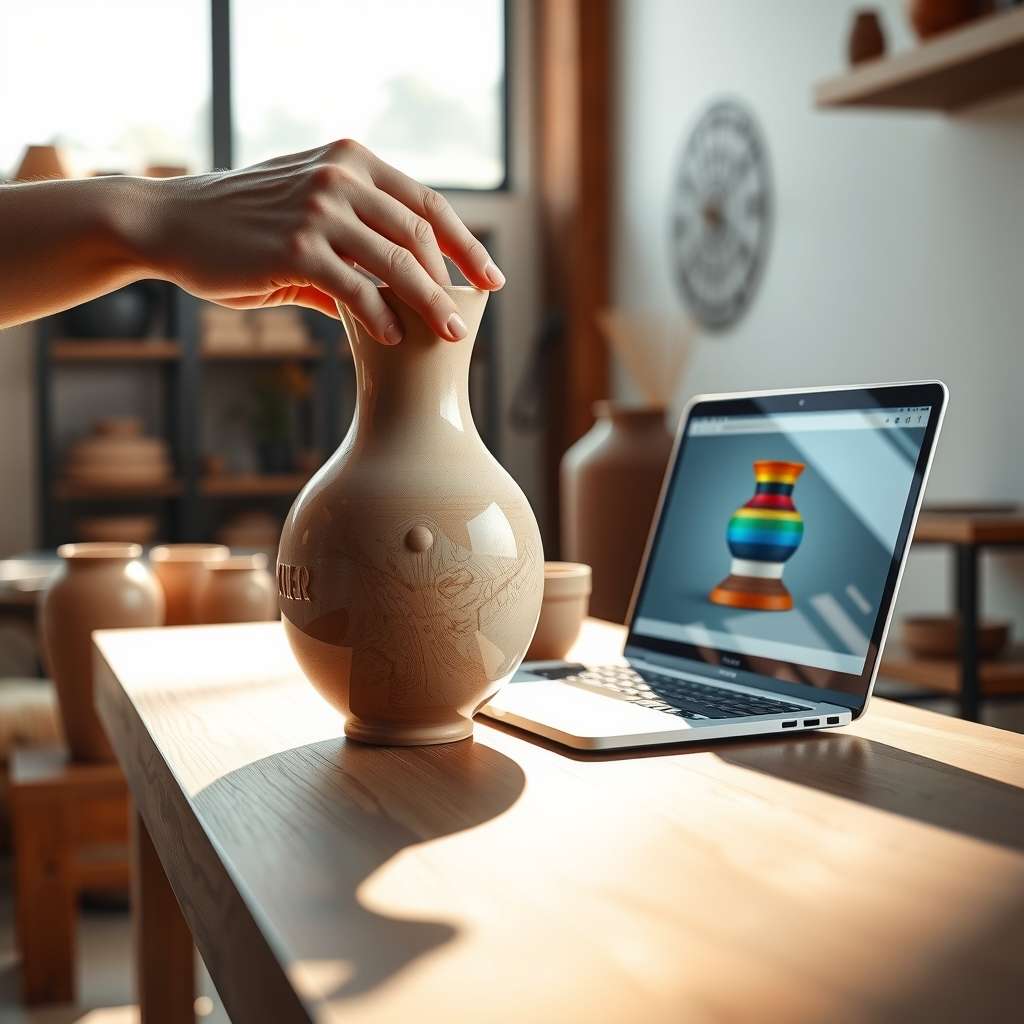
Why Handcrafted Espresso Cups Matter
When you pour a steaming shot into a cup, the first thing you notice is the way the liquid catches light and how the cup feels in your hand. Handcrafted espresso cups are designed to amplify these sensations, offering a tactile and visual experience that mass‑produced mugs simply cannot match. They preserve the optimal temperature, maintain the crema’s integrity, and provide a balanced weight that enhances your grip. For coffee connoisseurs, these subtle differences translate into a richer flavor profile and a more immersive ritual. Choosing the right handcrafted espresso cups means investing in a piece that reflects your taste, supports artisanal craftsmanship, and elevates every sip of espresso.
Tracing the History of Handcrafted Espresso Cups
From the humble clay pots of ancient Rome to the sleek porcelain cups of modern Italy, handcrafted espresso cups have evolved alongside coffee culture itself. Early espresso cups were often simple, utilitarian vessels made from locally sourced clay, reflecting the practicality of the era. As espresso machines became more sophisticated in the early 20th century, so too did the cups that accompanied them. The 1950s saw a surge in artistic expression, with designers experimenting with glaze colors and hand‑painted motifs. Today, the tradition of hand‑throwing, hand‑painting, and hand‑engraving continues, preserving a lineage of skill that dates back centuries. Understanding this history helps you appreciate the craftsmanship behind each handcrafted espresso cup you hold.
Material Matters: Ceramic, Porcelain, and Stoneware
One of the first decisions when selecting handcrafted espresso cups is choosing the right material. Ceramic and porcelain are the most common choices, prized for their ability to retain heat and their smooth, glossy finish. Stoneware, on the other hand, offers a heavier feel and a rustic aesthetic that appeals to those who value earthy textures. Each material has unique thermal properties: porcelain heats quickly and cools slowly, keeping your espresso at the ideal temperature for longer. Stoneware, with its thicker walls, provides excellent insulation and is less likely to crack under temperature shifts. When you invest in handcrafted espresso cups, consider how each material will interact with the espresso’s crema, aroma, and flavor.
Exploring Alternative Materials: Metal, Glass, and Bamboo
While ceramics dominate the espresso cup market, alternative materials