Are you a ceramic artisan or manufacturer in Indonesia looking to break into the global market? The world’s appetite for unique, high‑quality pottery is growing, and Indonesia’s rich clay traditions and skilled labor make it a prime exporter of custom ceramics. This 2024 guide walks you through every step—from understanding export regulations and securing the right certifications to mastering shipping logistics and tapping into niche markets. Whether you’re a seasoned exporter or just starting, these insights will help you streamline processes, reduce costs, and build lasting international relationships.
1. Why Export Custom Ceramics from Indonesia?
Indonesia’s ceramics industry boasts a blend of traditional techniques and modern design, appealing to consumers who value authenticity and craftsmanship. Exporting custom ceramics offers several advantages:
- High Demand in Global Markets – Europe, North America, and the Middle East are seeking artisanal pieces that stand out from mass‑produced goods.
- Competitive Pricing – Lower labor and material costs allow Indonesian producers to price competitively while maintaining healthy margins.
- Rich Cultural Heritage – Designs inspired by local motifs, such as Batik patterns or Balinese motifs, provide unique selling points.
- Government Support – The Indonesian Ministry of Trade offers incentives, trade missions, and export financing for manufacturers.
2. Understanding Export Regulations and Documentation
Exporting custom ceramics from Indonesia requires compliance with both domestic and international regulations. Below is a concise checklist to keep you on track.
2.1 Key Indonesian Export Documents
- Export Declaration (ED) – Filed with the Ministry of Trade.
- Commercial Invoice – Must detail product description, value, and HS code.
- Certificate of Origin (COO) – Confirms the product’s Indonesian origin; often required for preferential trade agreements.
- Export License (if applicable) – Some ceramic glazes or additives may need special permits.
- Quality Assurance Certificate – Especially important for markets like the EU, where safety and material standards are strict.
2.2 International Standards and Certifications
To gain trust from foreign buyers, align your production with recognized standards:
- ISO 9001 – Quality Management System.
- ISO 14001 – Environmental Management.
- ISO 22000 – Food Safety Management (for edible ceramics).
- ASTM International Standards – For safety and durability testing.
- EU CE Marking – Required for certain ceramic goods sold in the European Union.
3. Selecting the Right Ceramics Production Process
Choosing the right manufacturing method directly impacts quality, cost, and export viability. Indonesian producers typically use one of three main processes:
3.1 Hand‑Thrown Pottery
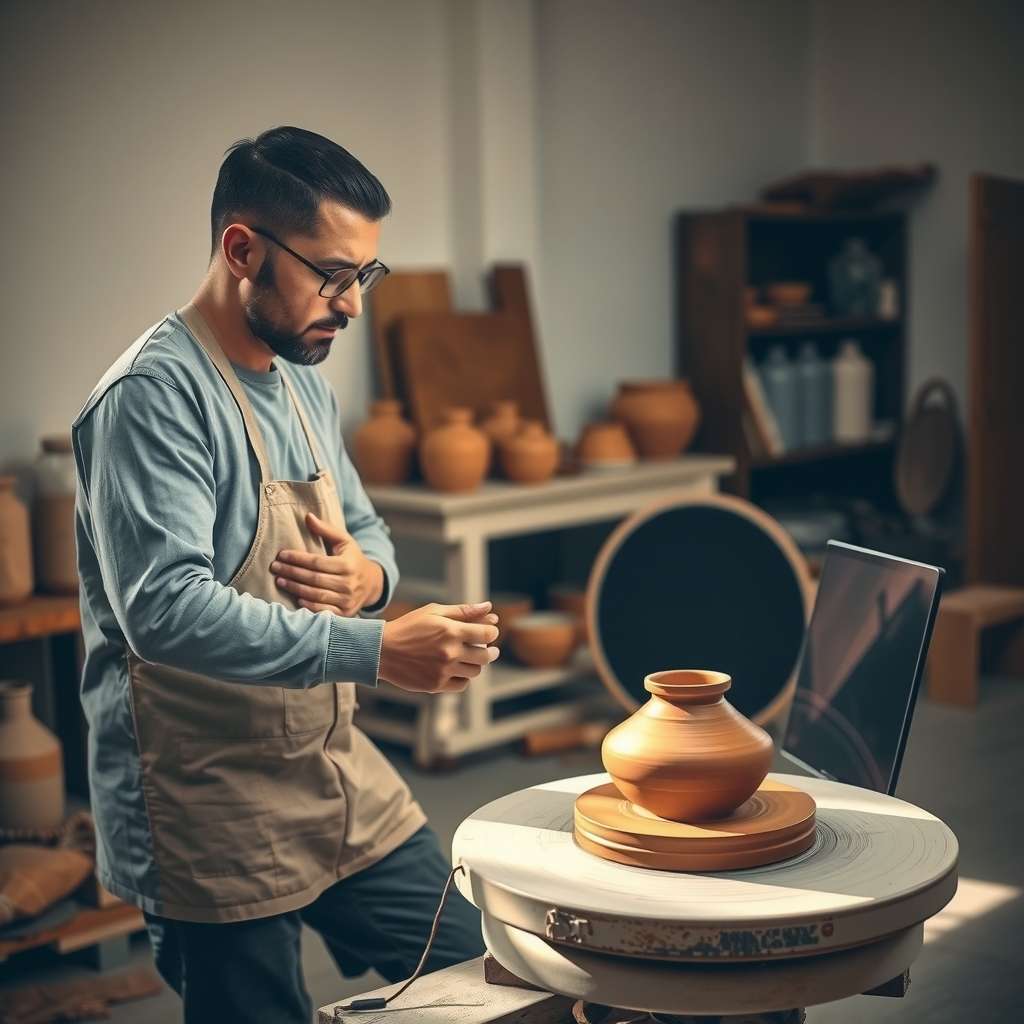
Ideal for bespoke, limited‑run pieces. Hand‑thrown ceramics showcase artisan skill and can command premium prices.
3.2 Slip Casting
Provides high precision and uniformity, making it suitable for larger volumes without sacrificing detail.
3.3 Press Molding
Fast and cost‑effective for mass production, but may limit intricate designs.
Regardless of method, maintain rigorous quality control checkpoints at each stage—from clay preparation to glazing and firing—to ensure consistency across batches.
4. Designing for the Global Market
Design trends evolve quickly. In 2024, the following themes dominate the global ceramics scene:
- Minimalist Geometry – Clean lines and functional pieces.
- Eco‑Friendly Materials – Recycled clays, natural glazes, and sustainable packaging.
- Hybrid Art – Combining ceramics with metal, glass, or textiles.
- Smart Ceramics – Embedded sensors for temperature or moisture monitoring.
- Regional Storytelling – Products that tell a cultural narrative, such as Indonesian folklore motifs.
When designing custom ceramics for export, balance aesthetic appeal with functional considerations like weight, fragility, and packaging requirements.
5. Packaging and Shipping Logistics
Proper packaging protects fragile ceramics during transit and reduces insurance costs. Follow these best practices:
5.1 Protective Packaging Materials
- Foam inserts (EVA or polystyrene) molded to fit each piece.
- Bubble wrap or air pillows for cushioning.
- Water‑resistant outer cartons to guard against humidity.
- Reusable pallets for bulk shipments.
5.2 Choosing a Shipping Mode
Decide between air freight for urgent, high‑value pieces, and sea freight for larger, less time‑sensitive orders.
- Air Freight – Fast (2–5 days) but more expensive.
- Sea Freight (LCL & FCL) – Cost‑effective for bulk; LCL for less than a container load.
- Rail Freight – Emerging option between Asia and Europe.
5.3 Customs Clearance and Duties
Understand the tariff classification using the Harmonized System (HS) code for ceramics, typically HS 6919 for “ceramic tableware.”
Leverage free trade agreements (FTAs) such as the ASEAN‑EU or the Indonesia‑US FTA to reduce tariffs. Always provide a Certificate of Origin and a detailed commercial invoice to avoid delays.
6. Pricing Strategy for Export Markets
Setting the right price involves more than just cost calculations. Consider:
- Cost of Goods Sold (COGS) – Raw materials, labor, utilities, and overhead.
- Export Costs – Packaging, shipping, insurance, and customs duties.
- Market Positioning – Premium, mid‑range, or value‑based pricing.
- Currency Fluctuations – Hedge against exchange rate risks.
- Competitive Analysis – Benchmark against similar products in target markets.
Use a simple formula: Price = COGS + Export Costs + Desired Margin. Adjust for local market sensitivity and buyer expectations.