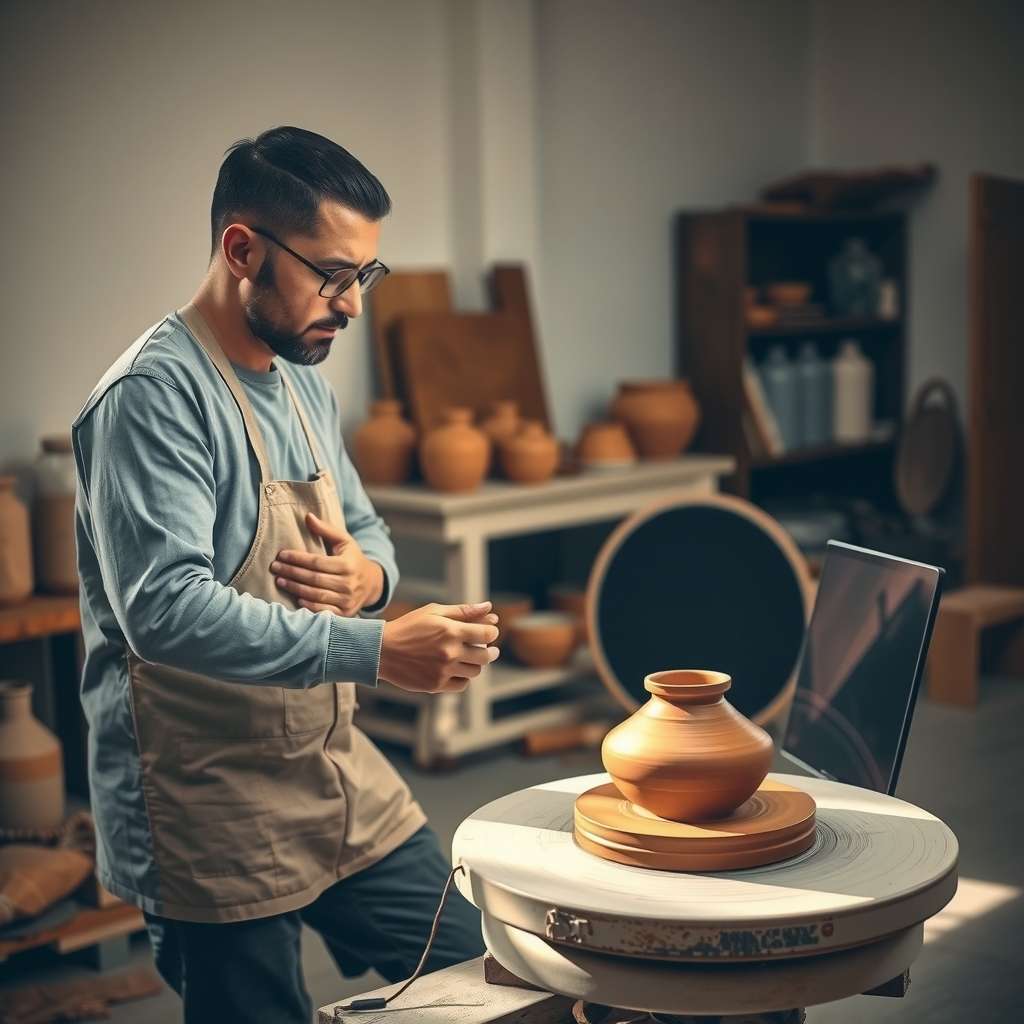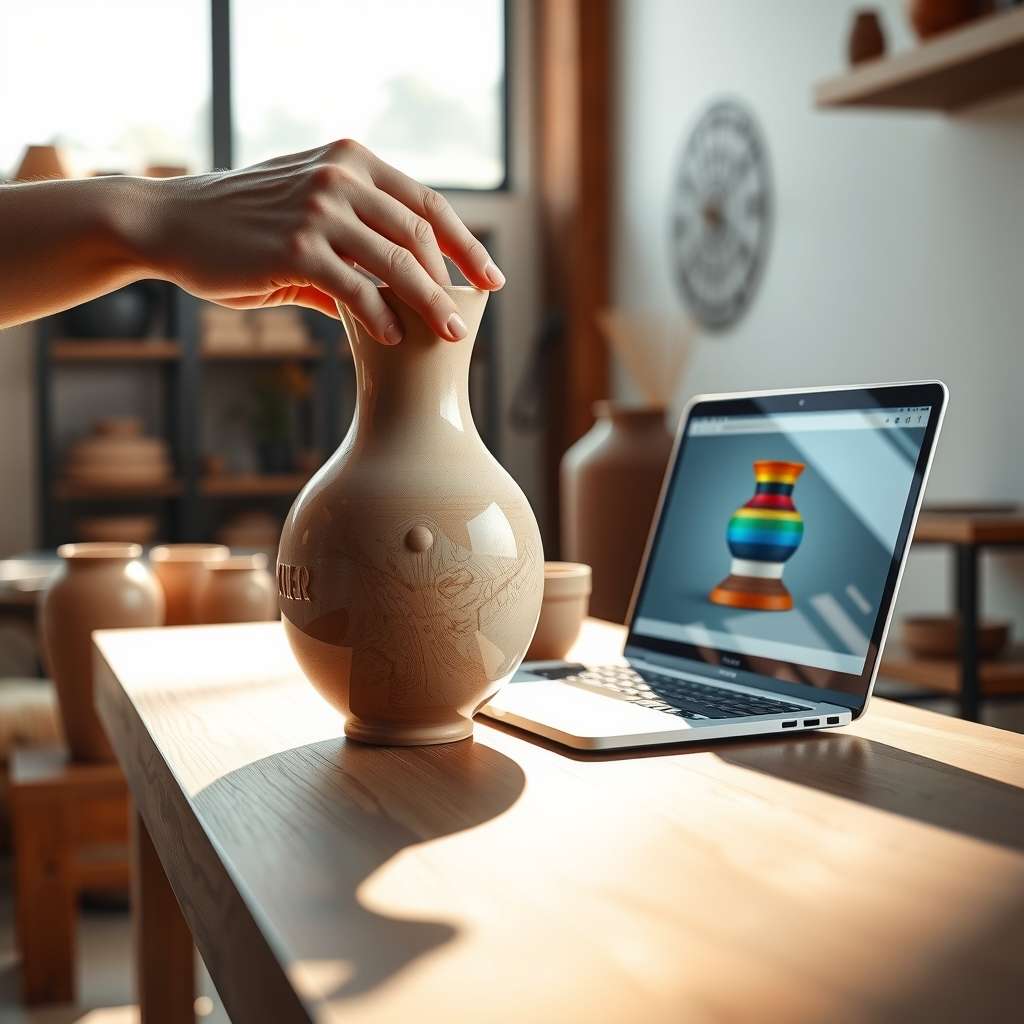
In today’s hyper‑competitive retail landscape, creating a memorable in‑store experience is essential for driving foot traffic and fostering customer loyalty. While lighting, color palettes, and product placement often take center stage, the subtle touch of authentic Javanese ceramics can transform a mundane space into a vibrant, culturally rich environment. These handcrafted pieces carry centuries of Indonesian artistry, infusing every corner with narrative depth and tactile intrigue. By integrating Javanese ceramics thoughtfully, retailers can differentiate their brand, showcase a commitment to sustainable craftsmanship, and create an emotional connection that turns casual shoppers into repeat customers.
Why Javanese Ceramics Matter in Retail Design
Javanese ceramics are more than decorative objects; they are embodiments of heritage, artistry, and ecological responsibility. For retailers, these qualities translate into tangible benefits that resonate with modern consumers. First, the cultural narrative behind each piece offers storytelling opportunities that elevate brand identity. Second, the natural clay materials provide a warm, organic aesthetic that contrasts beautifully with sleek, industrial fixtures. Finally, the durability and low environmental impact of hand‑thrown ceramics align with growing consumer demand for sustainable, ethically sourced décor. Together, these factors make Javanese ceramics a strategic asset for any retail space aiming to stand out.
Cultural Significance and Storytelling Potential
Every Javanese ceramic item—whether a simple bowl, a decorative plate, or an elaborate sculpture—carries motifs rooted in Javanese folklore, royal symbolism, or daily life. By showcasing these stories through curated displays, retailers can provide shoppers with an immersive cultural experience. For instance, a collection of Javanese pottery depicting the mythical Dewi Sri can spark conversations about agricultural traditions and sustainability. These narrative layers enrich the shopping journey, making the space memorable and shareable on social media.
Aesthetic Appeal and Versatility
Javanese ceramics exhibit a range of finishes, from matte earth tones to glossy, lacquered surfaces. This versatility allows designers to blend traditional elements with contemporary décor seamlessly. A sleek glass display case can house a vibrant Javanese ceramic vase, creating a striking contrast that draws attention. Moreover, the inherent texture of clay adds depth to otherwise flat surfaces, inviting tactile exploration and enhancing the sensory appeal of the retail environment.
Sustainability and Ethical Production
Crafted from locally sourced clay and fired using low‑energy kilns, Javanese ceramics boast a minimal carbon footprint compared to mass‑produced plastic or metal alternatives. Many artisans employ time‑honored techniques that preserve biodiversity and support local economies. By featuring these pieces, retailers demonstrate a commitment to eco‑friendly practices, appealing to conscientious shoppers who prioritize sustainability in their purchasing decisions.
7 Design Ideas to Incorporate Javanese Ceramics into Retail Spaces
1. Feature a Javanese Ceramic Wall Installation
Transform a plain wall into a dynamic focal point by mounting a series of Javanese ceramic panels or tiles. Each panel can depict traditional motifs such as the Gamelan patterns or the iconic Wayang Kulit silhouettes. Arrange the panels in a modular grid to allow easy updates as seasonal themes change. This installation not only adds visual intrigue but also serves as a conversation starter, encouraging shoppers to linger and explore.
- Choose high‑gloss or matte finishes to complement the lighting scheme.
- Integrate subtle backlighting to accentuate the glaze colors.
- Use a mix of sizes to create depth and visual hierarchy.
2. Use Javanese Ceramic Planters as Display Units
Replace conventional acrylic or metal planters with hand‑thrown Javanese ceramic pots. Their earthy tones and textured surfaces provide an organic backdrop for fresh plants or floral arrangements, adding life and color to the space. Additionally, the weight and stability of clay planters reduce the risk of tipping, ensuring safety in high‑traffic areas.
- <li