When a traveler steps into a boutique hotel, the first thing that often captures their attention is the subtle, tactile charm of the surroundings. From the elegant porcelain teacups that accompany a morning brew to the intricately glazed vases that punctuate a guest room, ceramic items can transform a space into a narrative. In an era where authenticity and personalization reign supreme, custom ceramic collections for boutique hotels are no longer a luxury—they are a strategic imperative. By blending artistry with brand identity, these bespoke pieces create memorable experiences that resonate long after the guest checks out.
Why Custom Ceramic Collections Are a Game‑Changer for Boutique Hotels
Custom ceramic collections serve as a tangible extension of a boutique hotel’s ethos. Unlike mass‑produced décor, bespoke ceramics convey a story—whether it’s the local heritage of a region, the unique aesthetic of the hotel’s design, or a curated theme that ties the guest experience together. This differentiation is crucial for boutique hotels that compete in a crowded marketplace. Moreover, ceramic items are durable, versatile, and can be repurposed across multiple spaces, offering a blend of functionality and visual appeal that elevates both guest satisfaction and operational efficiency.
Key Trends Shaping Custom Ceramic Design in 2026
Sustainable Materials and Production
In 2026, sustainability is the cornerstone of design. Boutique hotels are turning to low‑carbon kilns, recycled clays, and biodegradable glazes. These eco‑friendly practices reduce the environmental footprint while maintaining the high quality expected by discerning guests. Custom ceramic collections that showcase sustainable sourcing not only appeal to eco‑conscious travelers but also reinforce a hotel’s commitment to responsible hospitality.
Digital Customization and Smart Ceramics
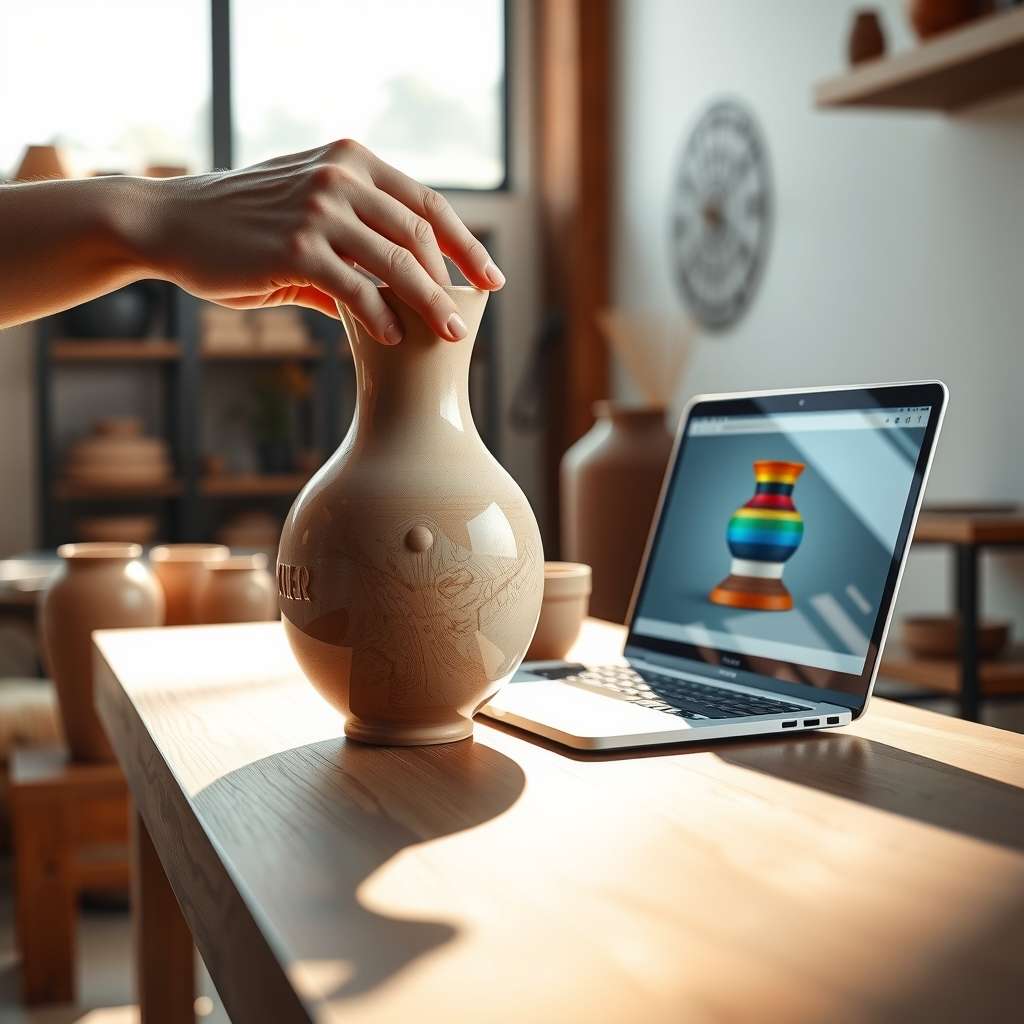
Digital tools—from 3D modeling to AI‑driven design algorithms—enable hotels to prototype and iterate ceramic pieces quickly. Smart ceramics, embedded with NFC tags or QR codes, can provide guests with interactive experiences, such as recipe instructions or historical anecdotes. This blend of technology and tradition creates a modern touchpoint that delights tech‑savvy guests while preserving the tactile essence of ceramic.
Cultural Storytelling Through Design
Guests today crave authenticity. Custom ceramic collections that reflect local artisanship, indigenous motifs, or regional narratives allow hotels to offer a genuine cultural immersion. By collaborating with local potters, boutique hotels can produce limited‑edition pieces that become conversation starters, strengthening the bond between the property and its surrounding community.
Functional Aesthetics for Multi‑Use Spaces
Modern boutique hotels increasingly favor flexible design. Ceramics that serve dual purposes—such as a decorative bowl that doubles as a centerpiece or a set of mugs that function as both décor and service items—provide practical solutions without compromising on style. This trend aligns with the minimalist, clutter‑free aesthetic that many contemporary travelers appreciate.
How to Collaborate with Ceramic Artists and Manufacturers
Choosing the Right Partner
When selecting an artisan or manufacturer, assess their portfolio, production capacity, and commitment to quality. Look for partners who share your vision for sustainability, innovation, and storytelling. A strong partnership ensures that your custom ceramic collections for boutique hotels reflect your brand’s personality while meeting operational demands.
Design Process: From Concept to Prototype
- Ideation: Brainstorm themes, color palettes, and functional requirements.
- Sketching & 3D Modeling: Translate concepts into digital mock‑ups.
- Material Selection: Choose clays, glazes, and finishes that align with sustainability goals.
- Prototype Testing: Evaluate durability, aesthetics, and guest interaction.
Production Techniques and Quality Control
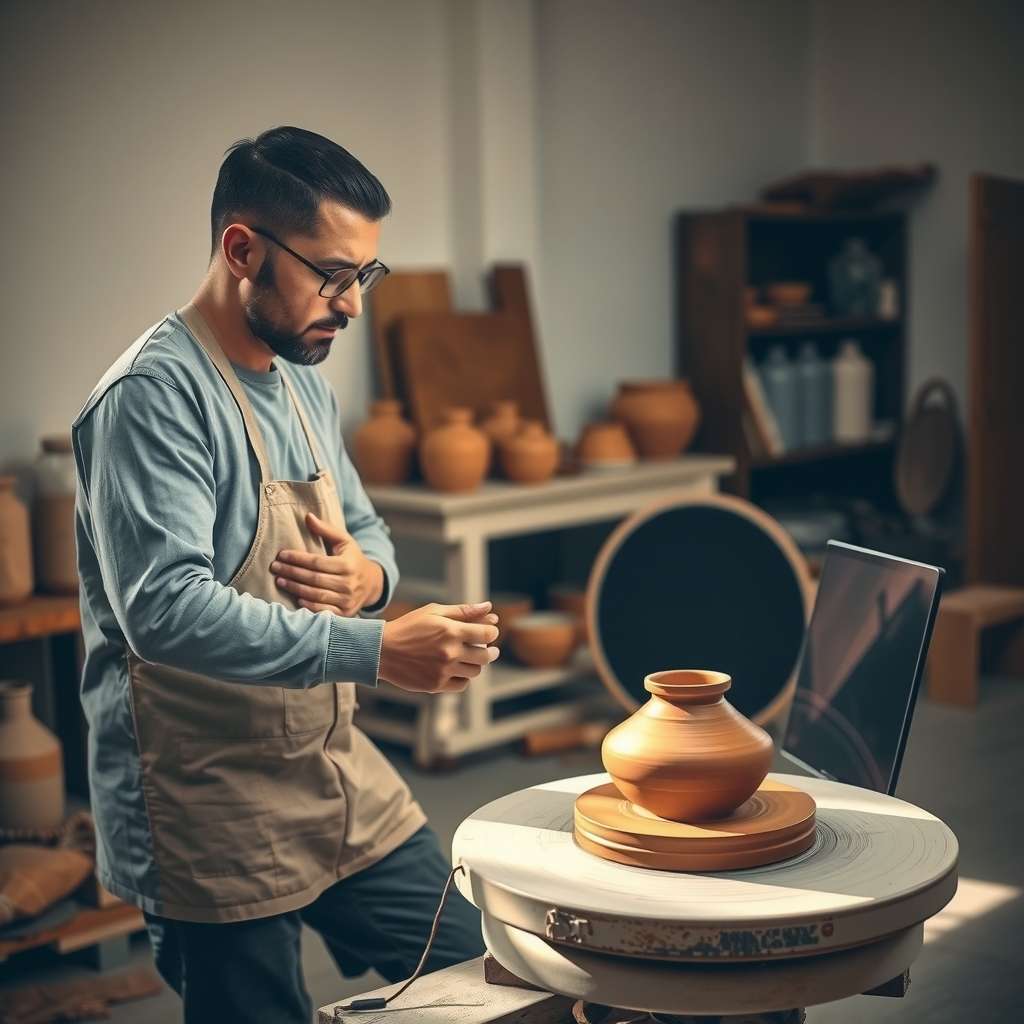
Modern ceramic production blends traditional hand‑crafting with precision kilns. Techniques such as slip casting, hand‑throwing, and laser engraving allow for intricate detailing. Quality control involves rigorous inspections at every stage—clay preparation, glazing, firing—to ensure that each piece meets the hotel’s standards for safety, durability, and visual appeal.