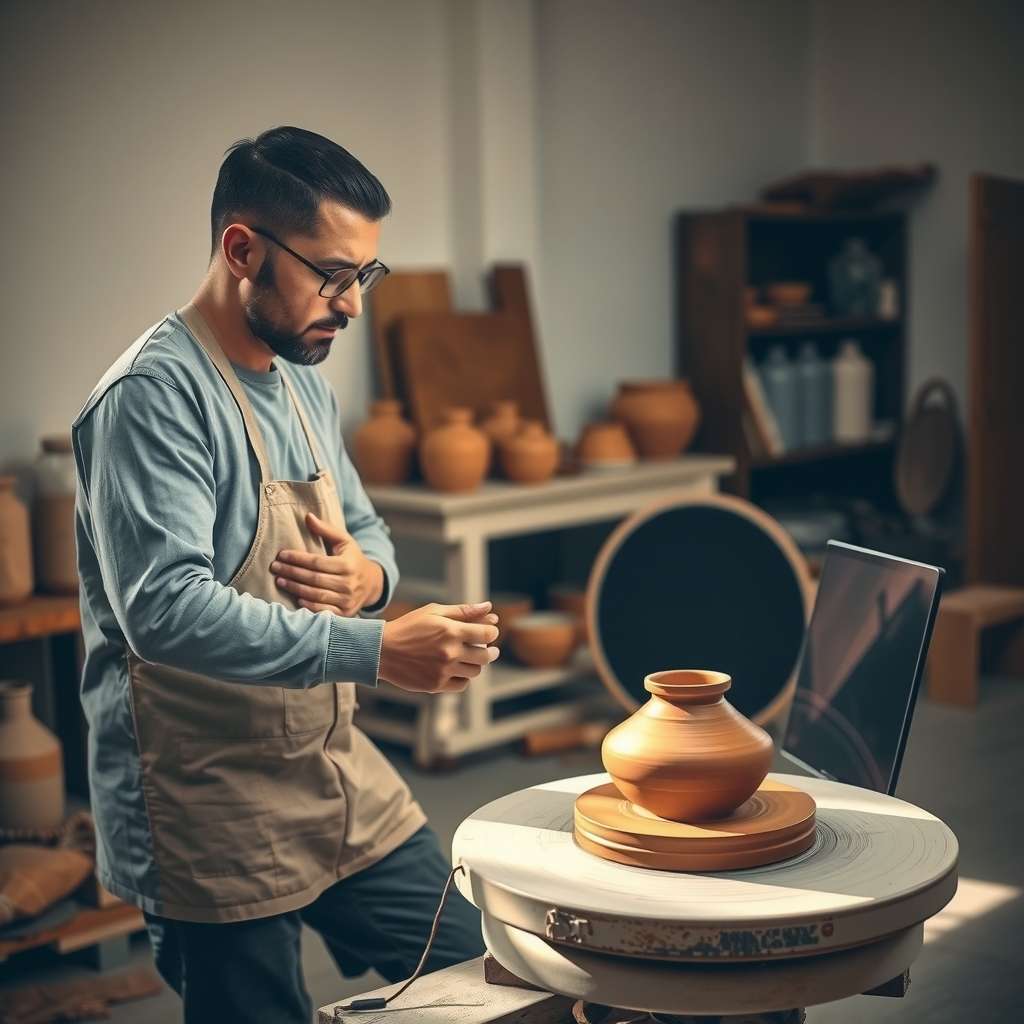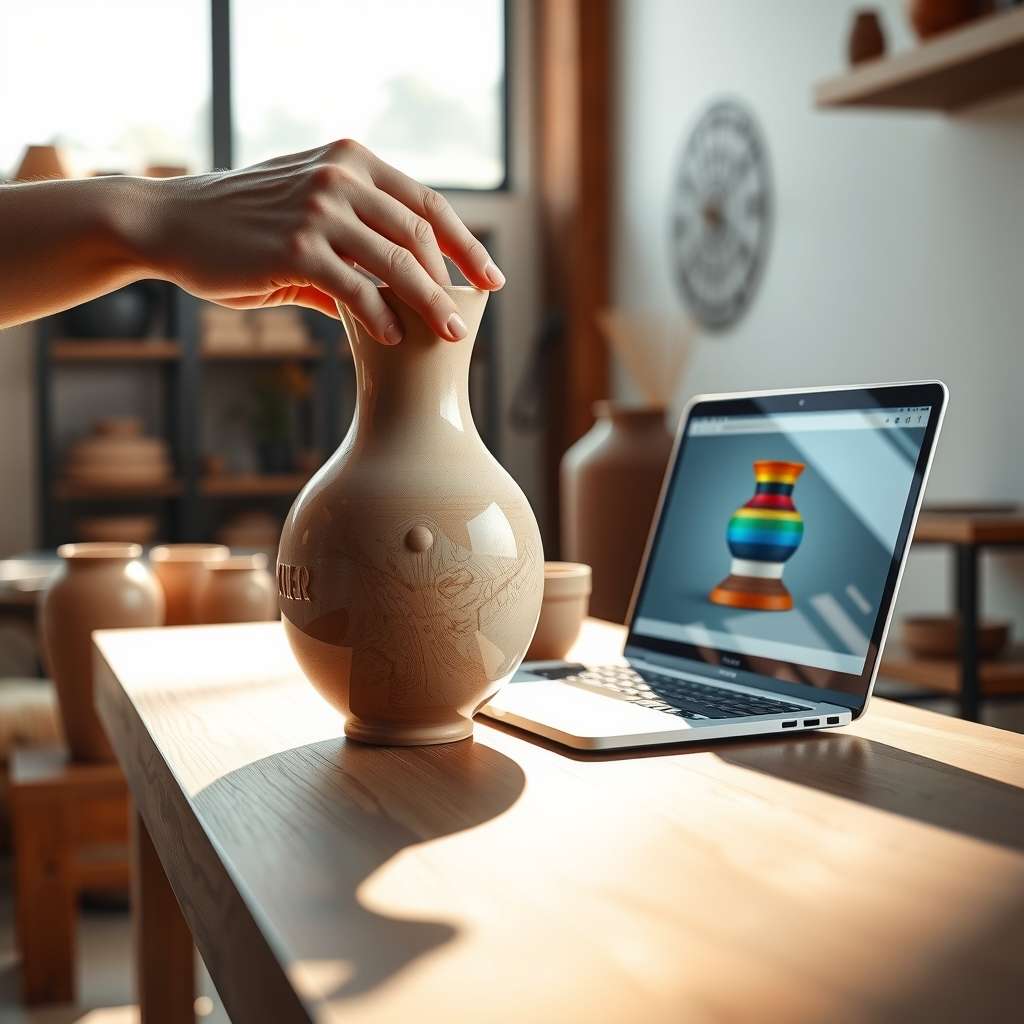
Handmade ceramics Java is more than just pottery—it’s a living testament to Indonesia’s deep-rooted clay culture and a beacon of sustainable artistry. In an era where mass production often eclipses heritage, the artisans of Java preserve ancient techniques while embracing eco‑friendly practices. This guide dives into the origins, sourcing, creation, and cultural impact of handmade ceramics Java, offering a comprehensive look at how these pieces marry tradition with sustainability. Whether you’re a collector, a design enthusiast, or simply curious about how local clay transforms into exquisite art, read on to discover the heart of Javanese pottery.
The Rich Clay Tradition of Java
Java’s volcanic soil has gifted the island with some of the world’s finest clay deposits. The mineral‑rich layers, formed over millennia, produce a texture that’s both pliable and durable—ideal for handmade ceramics Java. The island’s history is intertwined with pottery; from ancient temple reliefs to everyday household items, clay has been a medium for storytelling and utility. The cultural significance of pottery in Java is evident in the rituals, festivals, and daily rituals that celebrate the craft. By understanding this heritage, we gain insight into why handmade ceramics Java remains a prized art form.
Historical Roots of Javanese Pottery
Archaeological evidence shows that Javanese potters date back to the 5th century, with pottery fragments found in the Borobudur temple complex. Over centuries, techniques evolved—from simple coil methods to sophisticated wheel‑throwing. Each era added layers of meaning: the use of specific glazes to signify social status, or the incorporation of motifs that reflect local folklore. Today, these traditions survive in the hands of master artisans who pass down skills through family lineages, ensuring that handmade ceramics Java remains authentic.
Why Clay Matters in Java Culture
Clay isn’t just a material; it’s a cultural symbol. In many Javanese communities, the act of shaping clay is seen as a meditative practice, aligning the maker’s spirit with the earth. The tactile connection between potter and clay fosters a deep respect for natural resources. This reverence translates into a commitment to sustainability, a key pillar in the production of handmade ceramics Java. By sourcing locally and minimizing waste, artisans honor both their craft and the environment.
sustainable sourcing: From Earth to Clay
One of the defining features of handmade ceramics Java is its commitment to sustainable sourcing. Artisans begin by identifying clay beds that are both abundant and minimally disturbed. The extraction process is meticulous: only the top layer of soil is removed, ensuring that deeper strata remain intact for future generations. This careful harvesting reduces erosion and preserves the natural balance of the landscape.
Eco‑Friendly Extraction Techniques
- Use of hand tools rather than heavy machinery to minimize soil compaction.
- Selective harvesting that leaves buffer zones for vegetation.
- Recycling of waste clay back into the production cycle.
Testing and Preparation of Clay
Once extracted, the clay undergoes a rigorous testing phase to determine its plasticity, firing temperature, and mineral composition. Artisans blend local clay with river sand or organic fibers to achieve the desired texture. This blending process not only enhances the strength of the final piece but also reduces the need for imported materials, keeping the entire lifecycle of handmade ceramics Java within the island’s borders.
Crafting Handmade Ceramics Java: Techniques and Tools
The creation of handmade ceramics Java is a symphony of skill, patience, and tradition. From the first touch of the potter’s wheel to the final glaze application, each step is steeped in centuries of knowledge. Modern artisans blend time‑honored methods with contemporary tools to produce pieces that are both functional and artistic.
Wheel Throwing and Hand‑Building
Wheel throwing remains the backbone of Javanese pottery. The potter’s wheel, often a simple wooden or metal construct, allows for symmetrical forms and precise control. Hand‑building techniques—such as coil, pinch, and slab methods—are used for experimental shapes or decorative elements. These dual approaches ensure that each handmade ceramics Java piece is unique.
Tools of the Trade
- Wooden mallets and wooden ribs for shaping.
- Clay knives and rib tools for trimming and detailing.
- Traditional kilns (agama and raku) that run on wood or bio‑fuel.
- Glaze pots and brushes made from natural fibers.
The Artisan Process: From Wheel Throwing to Glazing
Once the clay body is shaped, the journey of handmade ceramics Java enters the realm of firing and glazing—a phase that defines the final aesthetics and durability of the piece. The artisans’ meticulous attention to temperature control and glaze chemistry ensures that each item not only looks stunning but also functions perfectly.
Drying and Bisque Firing
After shaping, pieces are left to air dry until they reach a leather‑dry stage. This controlled drying prevents cracking and ensures uniform shrinkage. The bisque firing, typically at 900–1100°C, converts the clay into a porous ceramic, ready to accept glaze. Traditional kilns, often fueled by coconut husks or bamboo, create a unique atmosphere that subtly influences the glaze outcome.
Glazing: Colors, Textures, and Finishes
Glazes are derived from natural minerals—silica, feldspar, copper, and iron—mixed