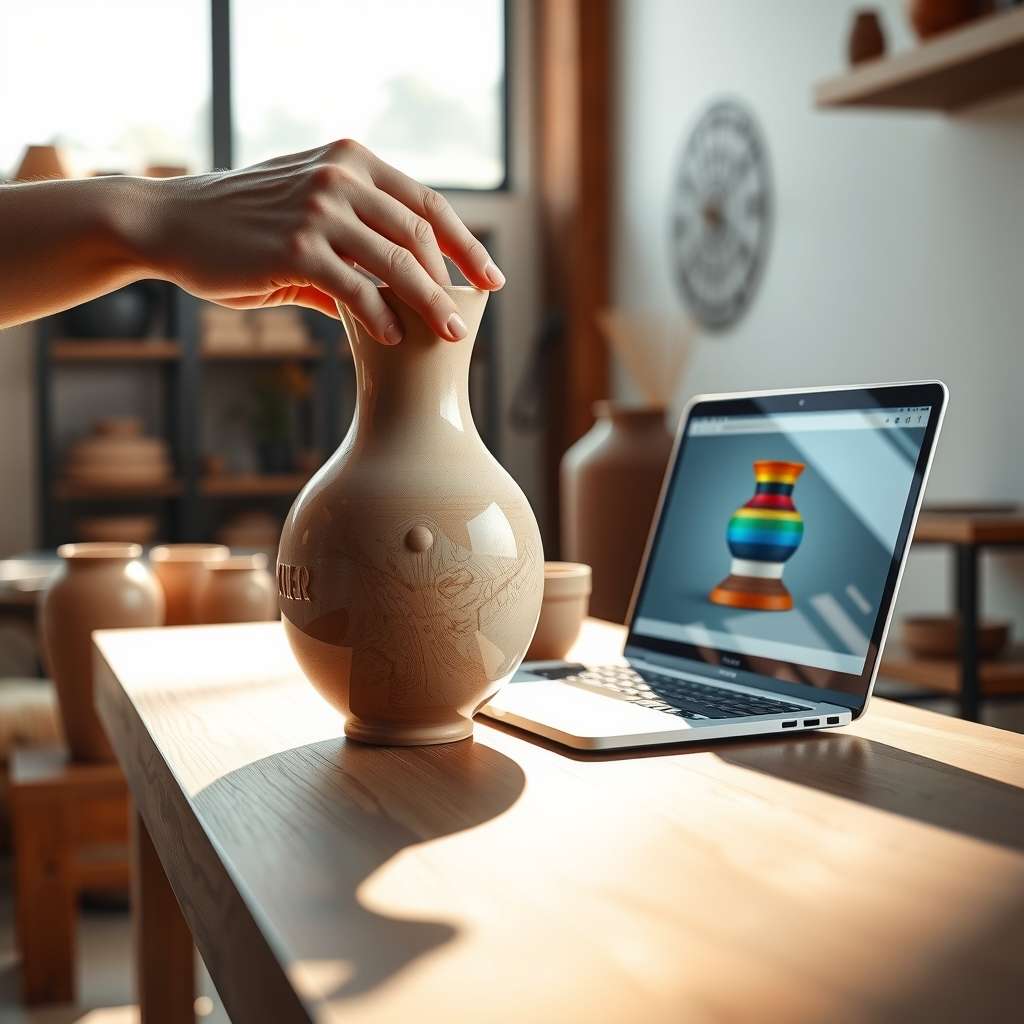
In a market flooded with mass‑produced furniture, standing out requires more than sleek designs and competitive prices. Consumers are increasingly craving authenticity, craftsmanship, and stories behind the pieces they purchase. This is where exclusive ceramic collections shine—offering a unique blend of artistic flair, functional versatility, and premium quality that can transform a furniture store into a destination for discerning shoppers.
By curating a line of hand‑crafted, limited‑edition ceramic pieces, retailers can tap into the growing demand for personalized décor that reflects individual style. Not only do these items elevate the aesthetic of any living space, but they also create a narrative that resonates with buyers seeking meaning beyond the surface. Below are five proven strategies that will help furniture stores differentiate themselves and thrive through the power of exclusive ceramic collections.
Tip 1: Identify Your Target Audience and Their Preferences with Exclusive Ceramic Collections
Understanding who your customers are and what drives their purchasing decisions is the foundation of any successful product strategy. When focusing on exclusive ceramic collections, you need to dig deeper than basic demographics. Consider lifestyle, interior design trends, and the emotional connection shoppers have with artful objects.
Start by segmenting your clientele into personas—such as “Modern Minimalists,” “Vintage Enthusiasts,” or “Eco‑Conscious Creatives.” Each group will value different aspects of ceramic art: minimalists may prioritize clean lines and neutral palettes, while vintage lovers might seek distressed finishes or retro motifs. By aligning your collection with these preferences, you create a sense of belonging that turns browsers into loyal patrons.
Conduct surveys, analyze online behavior, and hold focus groups to gather insights. Ask questions about favorite colors, preferred textures, and how often customers redecorate. Use the data to refine your selection of ceramic pieces—whether they are sleek vases, rustic bowls, or sculptural accent items—ensuring each item speaks directly to your audience’s tastes.
Remember, the goal is not just to sell a product but to offer an experience that feels personal and curated. By demonstrating that you understand and cater to your shoppers’ unique desires, you strengthen brand trust and encourage repeat visits.
Key Actions to Implement
- Develop detailed customer personas based on demographic and psychographic data.
- Map each persona’s design preferences to specific ceramic styles.
- Use data analytics to track purchasing patterns and adjust inventory accordingly.
- Offer personalized recommendations in-store and online through AI chatbots.
- Gather post‑purchase feedback to refine future collections.
Tip 2: Curate a Collection That Stands Out—Blend Artistry with Functionality
Once you know who you’re selling to, the next step is to build a collection that feels exclusive yet functional. Exclusive ceramic collections should showcase a balance between artistic expression and everyday usability. A well‑curated line will feature items that can be used as both decorative accents and practical furniture pieces.
Begin by selecting a cohesive theme or narrative—such as “Urban Geometrics,” “Botanical Whimsy,” or “Rustic Heritage.” This theme will guide the choice of shapes, glazes, and textures. For example, a “Botanical Whimsy” line might include hand‑painted leaves on vases, while a “Urban Geometrics” collection could feature sharp-edged bowls in matte black.
Incorporate functional elements like stackable mugs, multi‑purpose trays, or modular shelving units that feature ceramic inserts. By marrying form and function, you broaden the appeal of your collection and increase its perceived value. Customers appreciate items that enhance their daily lives while also making a visual statement.
Quality is paramount. Source ceramics that are kiln‑fired to high temperatures, ensuring durability and resistance to chips or cracks. Offer a range of finishes—from glossy to textured—to cater to different aesthetic preferences. Consider collaborating with local artisans to add a layer of authenticity and support community craftsmanship.
Designing for Impact
- Create mood boards that capture the essence of your theme.
- Prioritize durability and safety in material selection.
- Include versatile pieces that can be used in multiple settings.
- Highlight unique glazing techniques that set your collection apart.
Related Posts
Custom Pottery Online: The Ultimate Guide to Your Vision