The world of ceramics is vast and fascinating, with a history that spans thousands of years. From ancient pottery to modern industrial ceramics, the Ceramic Production Process has evolved significantly, incorporating new technologies and techniques. Understanding this process is crucial for anyone interested in ceramics, whether as a hobbyist, artist, or industry professional. In this guide, we will delve into the intricacies of the ceramic production process, exploring its various stages, materials, and applications, to provide a comprehensive overview of the Ceramic Production Process.
Introduction to Ceramic Production
Ceramic production involves the creation of objects from inorganic, non-metallic materials, typically through the application of heat. The process begins with the selection of raw materials, which can include clay, silica, feldspar, and quartz, among others. These materials are then mixed with water and other additives to create a workable paste or slip, which is the foundation of the ceramic piece.
Stages of Ceramic Production
The ceramic production process can be divided into several stages, each critical to the final product’s quality and characteristics. These stages include:
- Material selection and preparation: This involves choosing the right raw materials and preparing them for use, including cleaning, grinding, and mixing.
- Shaping: The prepared material is then shaped into the desired form using various techniques, such as hand-building, throwing on a potter’s wheel, or slip casting.
- Drying: The shaped piece is then dried to remove excess moisture, either naturally or through the use of drying equipment.
- Firing: The dried piece is then fired in a kiln at high temperatures to achieve the desired hardness and durability.
- Glazing: An optional stage, glazing involves applying a layer of glaze to the fired piece to enhance its appearance and functionality.
Ceramic Materials and Their Properties
Ceramic materials are diverse, each with its unique properties and applications. Some of the most common ceramic materials include:
Clay
Clay is the most traditional ceramic material, used for thousands of years in pottery and other applications. It is plastic when moist, allowing it to be shaped, and hardens when fired.
Silica
Silica, or silicon dioxide, is a key component of many ceramic materials, including glass and quartz. It provides strength and durability to ceramic pieces.
Feldspar
Feldspar is a group of rock-forming minerals that are commonly used in ceramic production. They provide alumina, which helps to reduce the melting point of quartz and promote vitrification.
Ceramic Production Techniques
There are several techniques used in ceramic production, each with its advantages and limitations. These include:
- Hand-building: This involves shaping the ceramic material by hand, using techniques such as coiling, pinching, or sculpting.
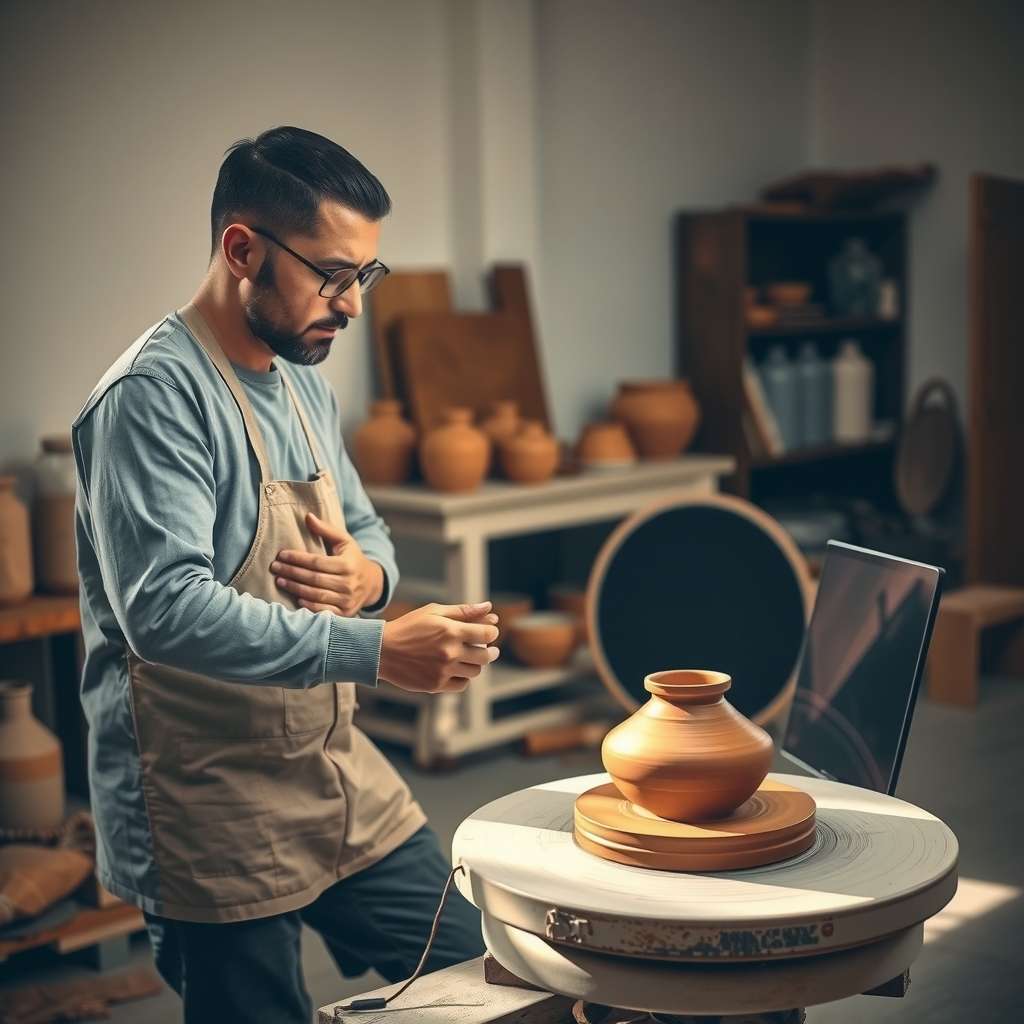
- Throwing on a potter’s wheel: This technique involves shaping the material on a rotating wheel, using centrifugal force to create symmetrical forms.
- Slip casting: This involves pouring liquid clay, or slip, into a mold to create the desired shape.
Applications of Ceramic Production
Ceramic production has a wide range of applications, from functional items like tableware and cookware to decorative pieces and industrial components. Some of the key applications include:
- Tableware and cookware: Ceramics are used extensively in the production of plates, bowls, cups, and other dining items, as well as cookware such as pots and pans.
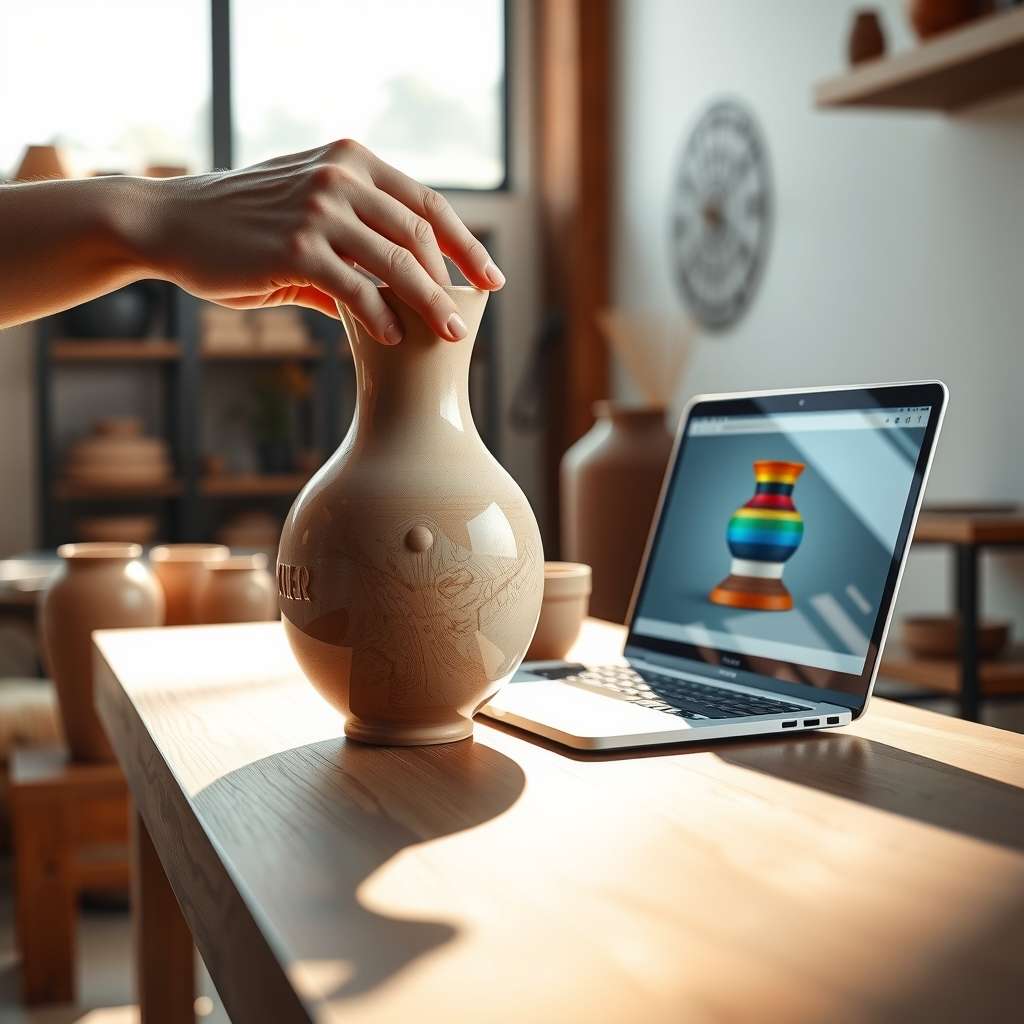
- Decorative pieces: Ceramics are used to create a variety of decorative items, including vases, sculptures, and figurines.
- Industrial components: Ceramics are used in the production of various industrial components, such as engine parts, insulators, and catalysts.
Conclusion and Future of Ceramic Production
In conclusion, the ceramic production process is complex and multifaceted, involving the selection of raw materials, shaping, drying, firing, and glazing. Understanding this process is essential for anyone interested in ceramics, whether as a hobbyist, artist, or industry professional. As technology continues to evolve, we can expect to see new and innovative applications of ceramic production, from advanced industrial components to sustainable and eco-friendly products. For those looking to learn more about the Ceramic Production Process, we recommend exploring online resources, taking courses, or joining ceramic communities to deepen your understanding and skills.
By following this guide and continuing to learn about the Ceramic Production Process, you can unlock the full potential of ceramics and contribute to this vibrant and ever-evolving field. Start your ceramic journey today and discover the endless possibilities that this ancient yet modern craft has to offer. Exploring ceramic design trends for 2026 will inspire your creativity and help you stay ahead in the field. Incorporating innovative techniques and sustainable practices can elevate your work to new heights. As you immerse yourself in these trends, you’ll find ways to blend tradition with contemporary aesthetics in your designs.