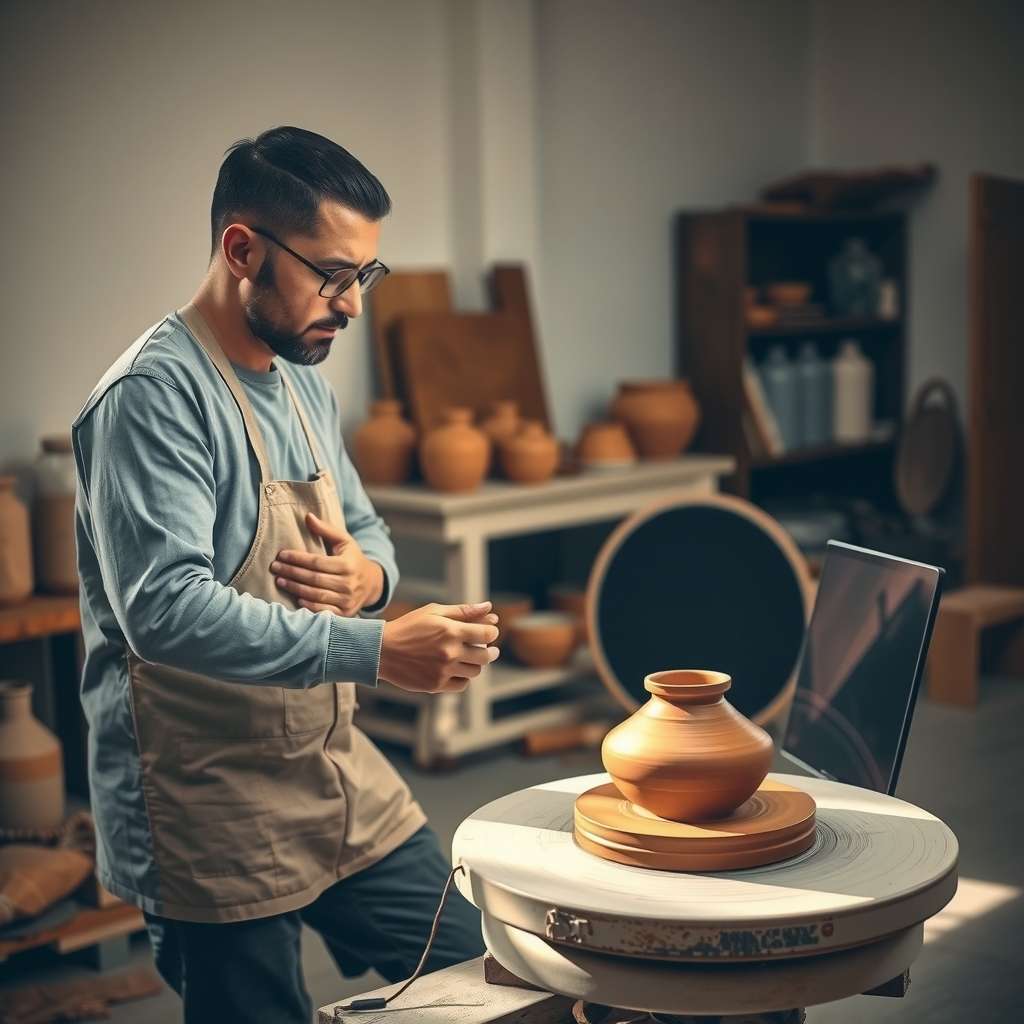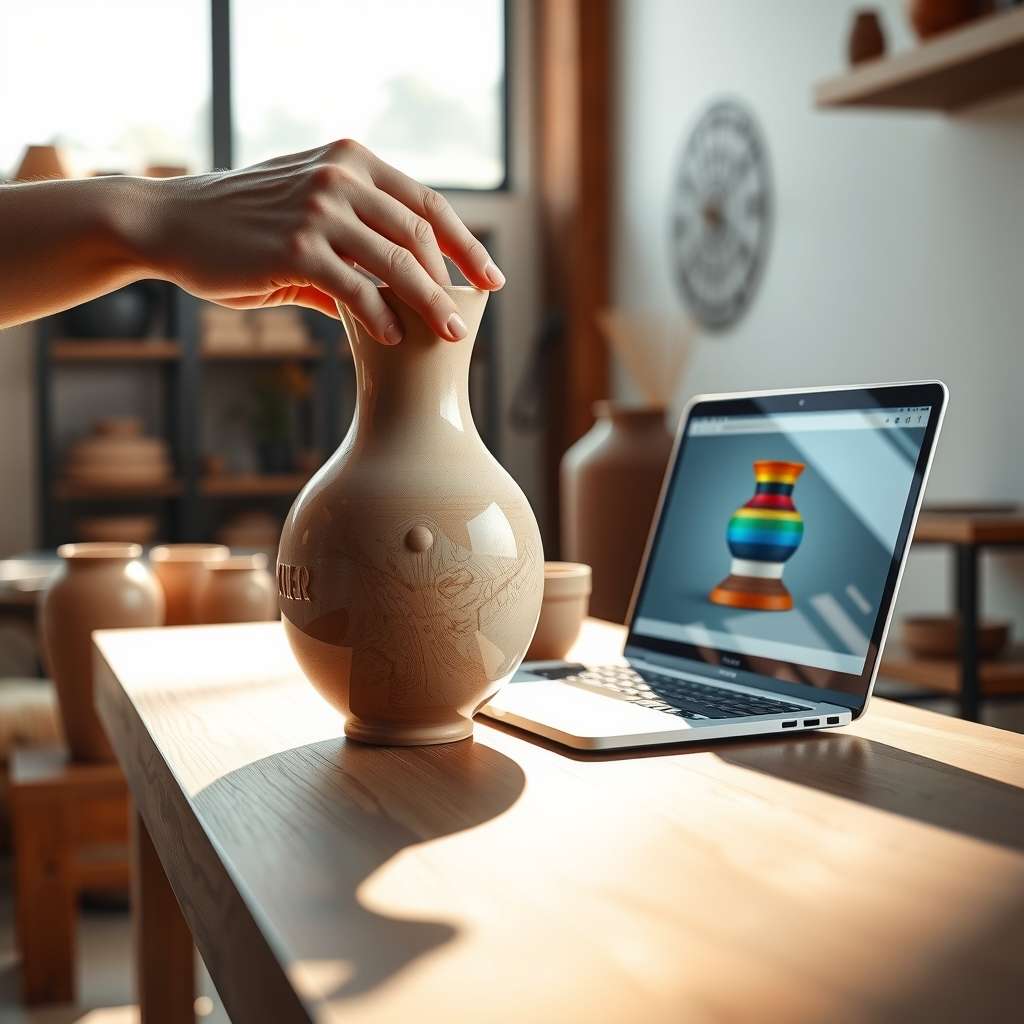
Welcome to the world of custom ceramic products, where creativity meets functionality. In this comprehensive guide, we’ll take you on a journey from sketch to shelf, exploring the ins and outs of creating bespoke ceramic products that will make your brand stand out. Whether you’re a seasoned entrepreneur or a budding artist, our 2026 guide will provide you with the knowledge and expertise to bring your custom ceramic products to life.
Understanding the Importance of Custom Ceramic Products
In today’s competitive market, custom ceramic products have become a staple for businesses and individuals looking to add a personal touch to their products. With the rise of e-commerce and social media, the demand for unique and personalized items has never been higher. By creating custom ceramic products, you can differentiate your brand, increase customer loyalty, and ultimately drive sales.
The Benefits of Custom Ceramic Products
So, what makes custom ceramic products so special? Here are just a few benefits of incorporating bespoke ceramics into your business strategy:
- Unique branding opportunities: Custom ceramic products allow you to create one-of-a-kind designs that reflect your brand’s personality and values.
- Increased customer engagement: Personalized products encourage customers to share their experiences on social media, generating buzz and driving word-of-mouth marketing.
- Competitive advantage: By offering custom ceramic products, you can differentiate your business from competitors and establish a reputation for quality and innovation.
The Design Process: From Sketch to Prototype
Creating custom ceramic products begins with a sketch or design concept. This is where your creativity shines, and you can let your imagination run wild. Here are the steps to follow:
1. Define your concept: Determine the purpose and functionality of your custom ceramic product. Consider the target audience, market trends, and your brand’s unique selling proposition (USP).
2. Sketch your design: Use traditional drawing techniques or computer-aided design (CAD) software to bring your concept to life. Experiment with different shapes, colors, and patterns to find the perfect combination.
3. Create a prototype: Once you have a solid design, it’s time to create a prototype. This can be done using ceramic modeling software or by working with a professional ceramic artist.
Materials and Techniques: A Closer Look
When it comes to custom ceramic products, the materials and techniques used can greatly impact the final result. Here are some common materials and techniques to consider:
Ceramic materials: Earthenware, stoneware, and porcelain are popular choices for custom ceramic products. Each material has its unique characteristics, such as durability, texture, and color palette.
Techniques: Slip casting, hand-building, and wheel-throwing are common techniques used to create custom ceramic products. The choice of technique depends on the design, material, and desired finish.
Production and Manufacturing: Bringing Your Design to Life
With your design and prototype in hand, it’s time to move into production. This is where the magic happens, and your custom ceramic product takes shape. Here are the steps to follow:
1. Partner with a manufacturer: Research and partner with a reputable ceramic manufacturer that can bring your design to life. Ensure they have experience with custom ceramic products and can meet your quality standards.
2. Review and refine: Work closely with the manufacturer to review and refine your design. This is the final opportunity to make any changes or adjustments before production begins.
3. Production and quality control: The manufacturer will produce your custom ceramic products, ensuring they meet the highest quality standards. Conduct regular quality control checks to guarantee consistency and excellence.
Marketing and Distribution: Reaching Your Target Audience
With your custom ceramic products in hand, it’s time to develop a marketing and distribution strategy. Here are some tips to get you started:
- Identify your target audience: Understand who your ideal customer is, what they’re looking for, and how to reach them.
- Develop a marketing plan: Create a comprehensive marketing plan that includes social media, email marketing, advertising, and trade shows.
- Build a strong online presence: Establish a professional website and e-commerce platform to showcase your custom ceramic products and reach a wider audience.
Conclusion and Call-to-Action
Creating custom ceramic products is a journey that requires creativity, expertise, and attention to detail. By following our 2026 guide, you’ll be well on your way to designing, producing, and marketing unique custom ceramic products that will set your brand apart. Remember to stay focused on quality, innovation, and customer satisfaction, and you’ll be sure to succeed in the competitive world of custom ceramic products.
Ready to get started? Contact a reputable ceramic manufacturer today to discuss your custom ceramic product ideas and bring your vision to life. With the right partner and a solid strategy, you can create custom ceramic products that exceed your customers’ expectations and drive business growth.