As we gather around the dinner table, the last thing on our minds should be the safety of our tableware. However, with the rise of Handcrafted Ceramic Tableware, concerns about toxicity and lead content have become increasingly relevant. In this comprehensive guide, we’ll delve into the world of ceramic tableware, exploring the differences between non-toxic, lead-free, and traditional options. Whether you’re a health-conscious consumer, an eco-warrior, or simply a lover of beautifully crafted ceramics, this article will provide you with the knowledge to make informed decisions about your tableware.
Understanding Ceramic Tableware: A Brief Introduction
Ceramic tableware has been a staple in households for centuries, prized for its durability, aesthetic appeal, and functionality. From delicate porcelain to sturdy stoneware, ceramic materials offer a wide range of styles and designs to suit every taste and decor. However, with the increasing awareness of environmental and health issues, the demand for non-toxic and lead-free ceramic tableware has grown significantly.
The Risks Associated with Traditional Ceramic Tableware
Traditional ceramic tableware often contains lead, cadmium, and other toxic materials that can leach into food and drinks, posing serious health risks. Lead, in particular, is a known neurotoxin that can cause developmental issues, organ damage, and even cancer. The use of lead in ceramic glazes has been a long-standing practice, but it’s essential to recognize the dangers it poses, especially when it comes to acidic or hot foods.
Lead-Free and Non-Toxic Alternatives
In recent years, manufacturers have started to respond to consumer concerns by producing lead-free and non-toxic ceramic tableware. These alternatives use safer materials, such as silicon dioxide, aluminum oxide, and zirconium, to create durable and food-safe glazes. When shopping for non-toxic tableware, look for certifications like “lead-free” or “non-toxic” to ensure that your chosen products meet the highest safety standards.
The Benefits of Handcrafted Ceramic Tableware
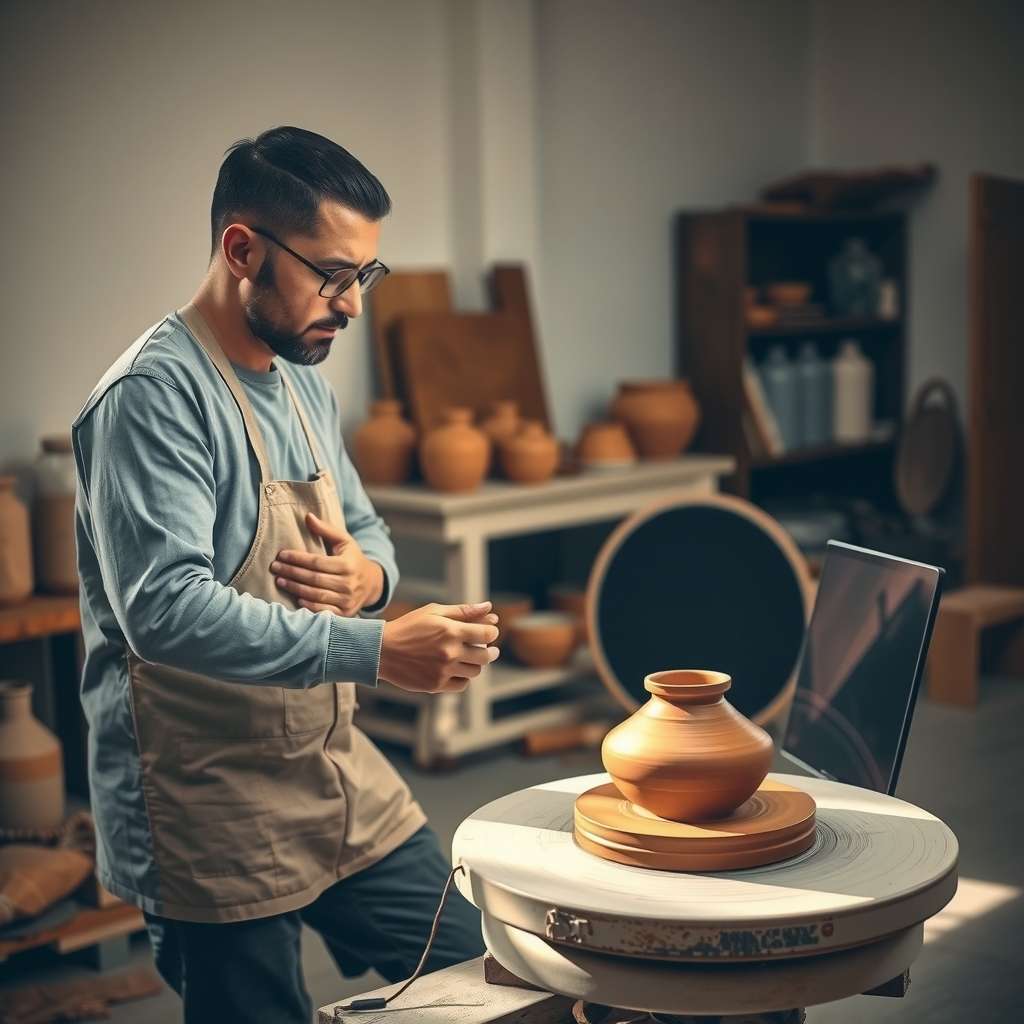
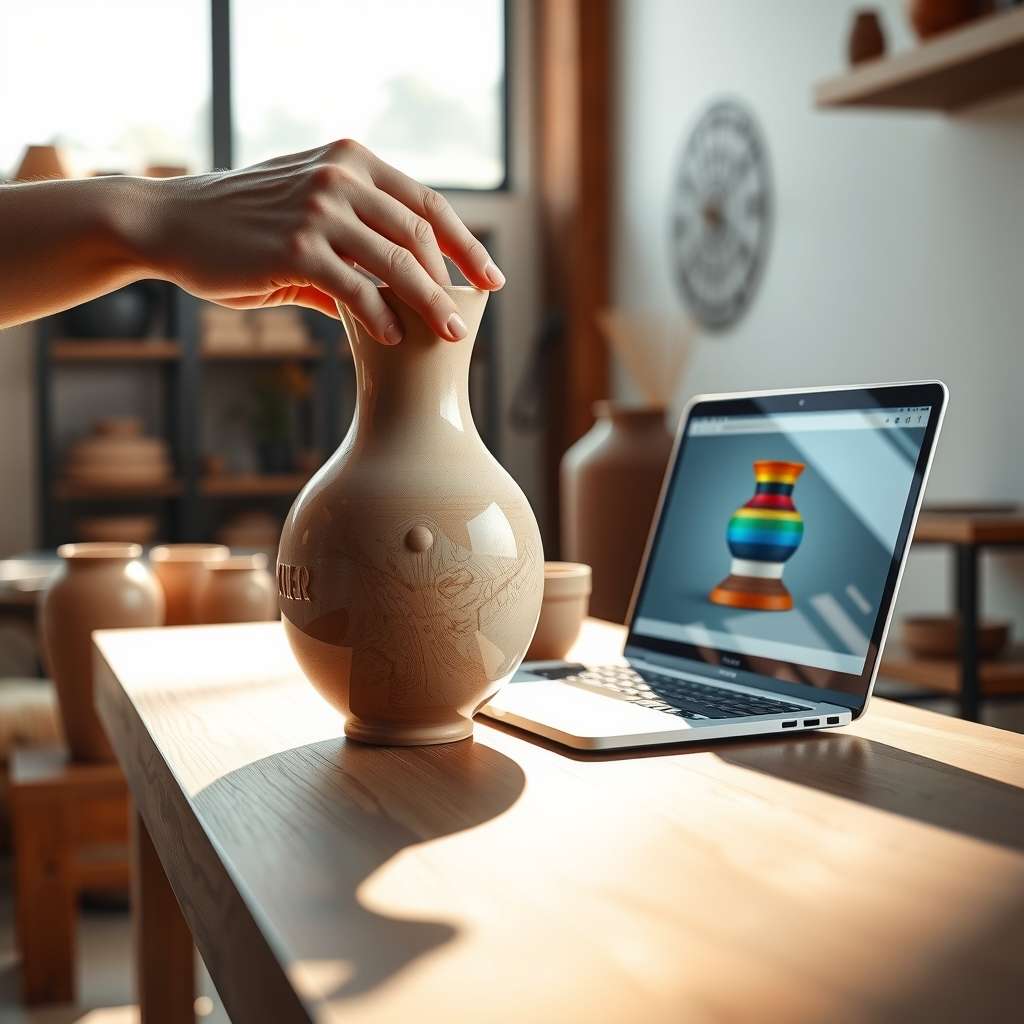
Handcrafted Ceramic Tableware offers a unique combination of artistry, craftsmanship, and sustainability. By choosing handcrafted ceramics, you’re not only supporting local artisans but also reducing your carbon footprint. Handcrafted ceramics are often made in small batches, using traditional techniques and locally sourced materials, which minimizes the environmental impact of mass production.
Sustainability and Environmental Benefits
In addition to being a healthier option, handcrafted ceramic tableware also promotes sustainability. By opting for handmade, locally sourced ceramics, you’re reducing the demand for mass-produced, resource-intensive tableware. This, in turn, helps to decrease greenhouse gas emissions, conserve natural resources, and support local economies.
What to Look for When Choosing Safe Ceramic Tableware
When selecting safe ceramic tableware, there are several factors to consider. Here are some key things to look out for:
- Certifications: Look for certifications like “lead-free” or “non-toxic” to ensure that your chosen products meet the highest safety standards.
- Materials: Opt for tableware made from natural, food-safe materials like silicon dioxide, aluminum oxide, and zirconium.
- Glaze: Choose tableware with a food-safe glaze that’s free from lead, cadmium, and other toxic materials.
- Manufacturer: Research the manufacturer to ensure that they follow safe and sustainable production practices.
Conclusion and Call-to-Action
In conclusion, Handcrafted Ceramic Tableware is a safe, sustainable, and stylish option for those looking to upgrade their tableware. By choosing non-toxic, lead-free ceramics, you’re not only protecting your health but also supporting local artisans and promoting environmental sustainability. So, make the switch to safe ceramic tableware today and enjoy a healthier, more sustainable dining experience. Take the first step by exploring our collection of handcrafted, non-toxic ceramic tableware and discover the beauty of safe, sustainable dining.